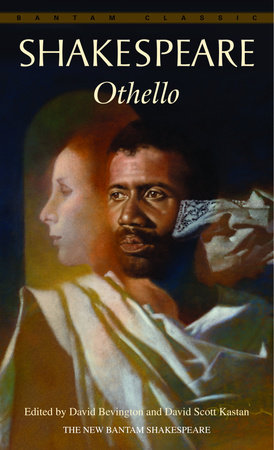
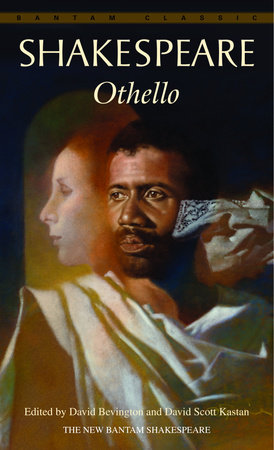
William Shakespeare’s great tragedy, a work of unsurpassed intensity and emotion, explores the pitfalls of envy and deception and the intricacies of race in sixteenth century Venice—featuring detailed notes on the text, scholarship, information about film adaptations, and more.
Despite its Renaissance setting, Othello’s story about the doomed marriage of a Venetian senator’s daughter, Desdemona, to a Moorish general, Othello, is especially relevant to modern audiences. The differences in race and background create an initial tension that allows the horrifyingly envious villain Iago methodically to promote the “green-eyed monster” jealousy, until, in one of the most deeply moving scenes in theatrical history, the noble Othello destroys the woman he loves—only to discover too late that she was innocent.
This edition includes:
• Comprehensive explanatory notes placed on pages facing the text of the play
• Vivid introductions and insightful scholarship
• Clear, modernized spelling and punctuation, enabling contemporary readers to understand the Elizabethan English
• Detailed bibliographies and performance histories
• An interpretive essay on film adaptations of the play, along with an extensive filmography