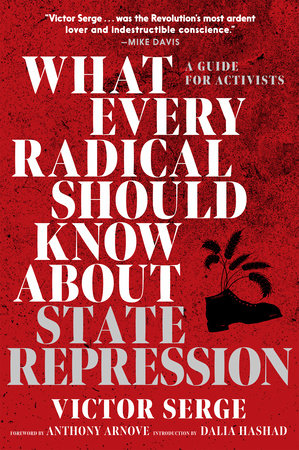
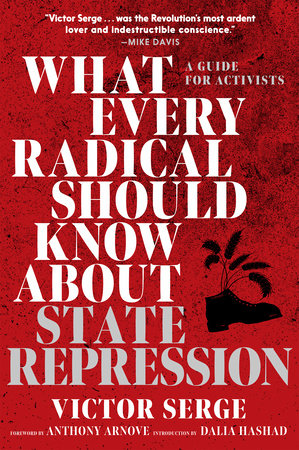
This classic manual on repression by revolutionary activist Victor Serge offers fascinating anecdotes about the tactics of police provocateurs and an analysis of the documents of the Tsarist secret police in the aftermath of the Russian revolution.
With a new foreword by Howard Zinn collaborator, Anthony Arnove, and a new introduction by Dalia Hashad.
As we approach the 100th anniversary of Victor Serge’s (1926) classic exposé of political repression, the specter of fear as a tool of political repression is chillingly familiar to us in world increasingly threatened by totalitarianism. Serge’s exposé of the surveillance methods used by the Czarist police reads like a spy thriller. An irrepressible rebel, Serge wrote this manual for political activists, describing the structures of state repression and how to dodge them—including how to avoid being followed, what to do if arrested, and tips on securing correspondence. He also explains how such repression is ultimately ineffective.
“Repression can really only live off fear. But is fear enough to remove need, thirst for justice, intelligence, reason, idealism…? Relying on intimidation, the reactionaries forget that they will cause more indignation, more hatred, more thirst for martyrdom, than real fear. They only intimidate the weak; they exasperate the best forces and temper the resolution of the strongest.” —Victor Serge