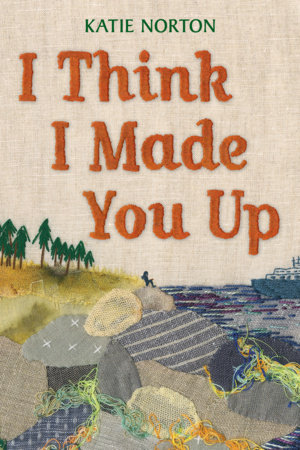
♦ In 2024, high school junior Ella lives with depression. She finds solace in sewing and in the company of her friend, Marty, a survivor of domestic violence. When the two discover an embroidered apron in a thrift store in Portland, they embark on a quest to uncover its history. As they face their individual demons, they lose themselves in their shared mission. In 1954, 18-year-old Dorothy cooks, cleans, and looks after her father and two brothers on their small Maine island after her mother’s death. Her passion for writing is reignited after reading a Sylvia Plath poem. When she becomes involved with Charlie, a summer visitor from Connecticut, she falls hard. She questions her role as caretaker and wonders if she can walk away from her domestic world. Told in alternating timelines, the stories of Ella and Dorothy are compelling. While the girls live 70 years apart, they share similar dreams and fears. As Ella uncovers the mystery of Dorothy’s apron, she feels the connection to a young woman who also experienced grief, sadness, and isolation. Norton has crafted an endearing story that bridges the gap between two teenagers from vastly different time periods. She captures the angst of Ella and Marty as they face serious issues, then cleverly merges the two narratives of Ella and Dorothy, emphasizing how time may pass, but love and family have roots that go on forever. Characters cue white.
VERDICT An emotionally rich novel and a recommended purchase.
—School Library Journal, starred review
In Katie Norton’s pensive dual-timeline novel I Think I Made You Up, Maine teenagers separated by seventy years make art to cope with grief, mental illness, and heartbreak.
In 2024, sixteen-year-old Ella has a flair for textile art, though she falters at schoolwork. She finds a handmade apron while thrifting with her friend Marty. Investigating the embroidered initials and scraps of poems sewn into the hem takes their minds off their troubles—and leads them to Dorothy, who, as an eighteen-year-old in 1954, longed for romance and a writing career but instead kept house for her bereaved family.
The narration trades between Ella’s and Dorothy’s stories, which accumulate details at a gradual rate. Ella is in tentative recovery from a mental health crisis; her concern for abused Marty threatens her composure. After Dorothy’s mother dies of cancer, she tries to take her place, making her relatives’ comfort her priority. When a summer visitor to Long Island, Charlie, takes an amorous interest in her, Dorothy starts to envision a future in which poetry might replace household drudgery.
The book’s period details are keen. Dorothy makes each meal from scratch for her lobsterman father; Ella’s parents buy takeout pad thai as often as they cook. Ella attends college, whereas Dorothy never could. Serious issues are also tackled in a sensitive manner, including asexuality, domestic violence, self-harm, and suicidal ideation. The fragment of Sylvia Plath’s poem “Mad Girl’s Love Song” is a fitting association. Dorothy’s verse appears too; like Ella’s skill with fabrics, it offers imaginative escape from the everyday. Trips to the library satisfy Ella’s curiosity about Plath and the mystery of the vintage apron.
A graceful novel, I Think I Made You Up depicts young people’s overlapping struggles across the decades.
—Foreword Reviews