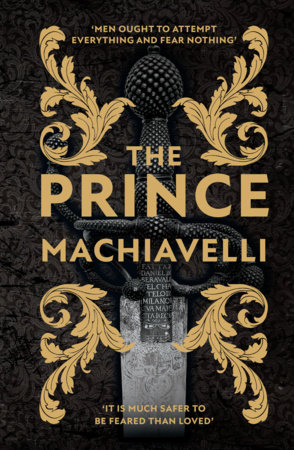
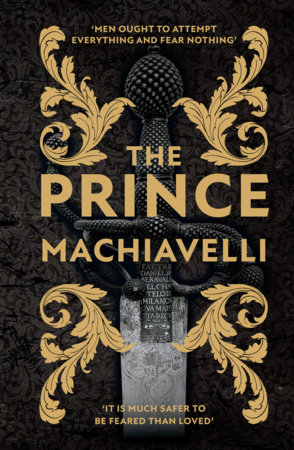
The Prince by
Niccolò Machiavelli is one of the most influential works of
political philosophy, leadership, power, and statecraft. Written during the Italian Renaissance, this enduring classic examines how rulers gain authority, maintain control, respond to political challenges, and navigate the realities of ambition, loyalty, conflict, and human behavior.
Through direct and often provocative observations, Machiavelli explores the practical demands of leadership in an uncertain world. He considers the use of
strategy, political judgment, reputation, fear, loyalty, military strength, and calculated decision-making, challenging idealistic views of governance with a realistic examination of how power actually operates.
Rather than presenting politics as a purely moral exercise,
The Prince studies the tension between ethical ideals and political necessity. Its reflections on
leadership, authority, diplomacy, manipulation, war, and human nature have made the book essential reading for students of politics, history, philosophy, international relations, and strategic thinking.
Compact, thought-provoking, and widely debated,
The Prince remains a landmark of
Renaissance political thought and classic philosophy. Its enduring insights into power, ambition, leadership, and decision-making continue to attract readers interested in political theory, government, strategy, history, and the complex realities of leadership.
Why should readers pick this book?- A Political Philosophy Classic: Explore Machiavelli’s influential ideas on power, leadership, government, strategy, and the practical realities of political rule.
- Sharp Insights into Leadership: Examine how authority, reputation, fear, loyalty, military strength, and calculated decisions can shape political success.
- Essential Reading for Strategic Thinkers: Ideal for students, leaders, history enthusiasts, and readers interested in politics, philosophy, diplomacy, governance, and human behavior.
Key Themes- Power & Political Strategy: Understand how rulers acquire, preserve, and exercise authority in changing and often unstable circumstances.
- Leadership & Human Nature: Explore Machiavelli’s observations on ambition, loyalty, fear, reputation, self-interest, and the behavior of individuals and societies.
- Morality & Political Necessity: Consider the enduring tension between ethical principles and the difficult choices leaders may face in protecting power and maintaining the state.