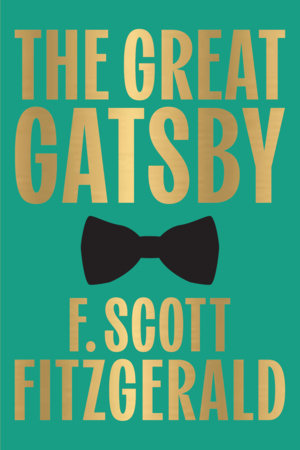
The Great Gatsby by
F. Scott Fitzgerald is a defining work of
classic American literature set against the glittering excess of the Roaring Twenties. Narrated by Nick Carraway, the novel follows the mysterious millionaire Jay Gatsby, whose lavish parties and carefully constructed life are driven by one powerful desire: to reclaim a lost love and recreate the past.
As Gatsby reaches toward Daisy Buchanan, Fitzgerald reveals a world shaped by
wealth, class, privilege, ambition, and illusion. Beneath the glamour of Long Island mansions and extravagant gatherings lies a deeper story of loneliness, longing, moral uncertainty, and the emotional cost of chasing an ideal that may never have truly existed.
Written in lyrical, symbolic prose,
The Great Gatsby explores
the American Dream, love, identity, memory, social class, and disillusionment. Fitzgerald’s sharp portrayal of 1920s America transforms Gatsby’s personal tragedy into a broader reflection on success, desire, and the fragile promises of modern life.
Elegant, haunting, and deeply memorable,
The Great Gatsby remains one of the most important
American classic novels of the twentieth century. Its blend of tragic romance, social commentary, and psychological depth makes it essential reading for students, literature lovers, and readers interested in timeless fiction about ambition, love, and lost ideals.
Why should readers pick this book?- An Iconic American Classic: Experience F. Scott Fitzgerald’s unforgettable portrait of wealth, longing, ambition, and disillusionment in 1920s America.
- Poetic & Symbolic Storytelling: Discover lyrical prose, memorable imagery, and layered symbolism that give the novel lasting literary power.
- Perfect for Literature Readers: Ideal for students, classic fiction fans, historical fiction readers, and anyone interested in the American Dream and social commentary.
Key Themes- The American Dream: Explore the promise of success and the disappointment that can follow when ambition becomes tied to illusion and status.
- Love, Memory & Illusion: Examine Gatsby’s desire to recover the past and the emotional consequences of idealizing love and memory.
- Class, Privilege & Loneliness: Reflect on social divisions, wealth, identity, isolation, and the emptiness hidden beneath outward glamour.