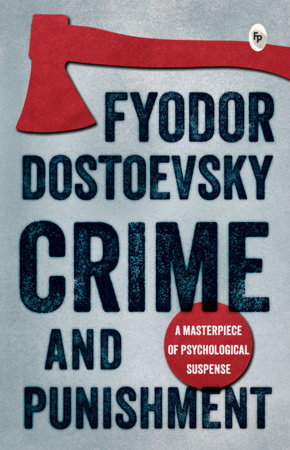
Crime and Punishment by
Fyodor Dostoevsky is a landmark work of
classic Russian literature and one of the most powerful examples of
psychological fiction ever written. Set in nineteenth-century St. Petersburg, the novel follows Rodion Raskolnikov, an impoverished former student whose dangerous ideas about morality and superiority lead him toward a devastating crime and an intense struggle with its consequences.
After committing murder, Raskolnikov becomes trapped in a growing battle between intellect, guilt, fear, and conscience. As suspicion closes in and his emotional state deteriorates, Dostoevsky explores the psychological pressure of living with guilt, the pursuit of justice, and the conflict between rationalized beliefs and moral responsibility.
Rich in
psychological suspense, philosophical reflection, crime, morality, and human conflict,
Crime and Punishment examines the darkest corners of the human mind while asking profound questions about freedom, suffering, compassion, punishment, and redemption. Through Raskolnikov’s interactions with characters such as Sonia and Porfiry, the novel reveals the tension between isolation and human connection, pride and humility, despair and hope.
Deeply challenging and emotionally compelling,
Crime and Punishment remains an essential work of
world literature, philosophical fiction, and classic literature. Its exploration of
guilt, morality, justice, redemption, psychological conflict, and the human condition makes it ideal for readers of literary fiction, Russian classics, psychological novels, crime literature, and thought-provoking philosophical works.
Why should readers pick this book?- A Masterpiece of Psychological Fiction: Follow Raskolnikov’s gripping inner battle as guilt, fear, pride, and conscience reshape his understanding of himself and his crime.
- Profound Moral & Philosophical Questions: Explore enduring ideas about justice, responsibility, suffering, free will, punishment, and the possibility of redemption.
- Essential Russian Literary Classic: Ideal for readers interested in Dostoevsky, classic literature, philosophical novels, psychological suspense, crime fiction, and world literature.
Key Themes- Guilt & Psychological Conflict: Examine the mental and emotional consequences of crime as Raskolnikov struggles with fear, isolation, and conscience.
- Crime, Justice & Morality: Explore questions about right and wrong, punishment, social inequality, personal responsibility, and the limits of rational justification.
- Suffering & Redemption: Discover how compassion, human connection, humility, and moral awakening shape the novel’s powerful search for forgiveness and renewal.