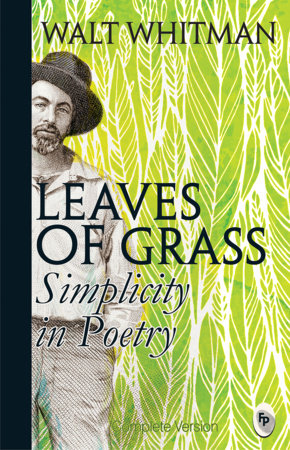
Leaves of Grass: Simplicity In Poetry by
Walt Whitman is a landmark work of
American poetry, free verse, and nineteenth-century literature. First published in 1855 and expanded by Whitman across later editions, the collection celebrates individuality, democracy, nature, the body, and the shared experiences that connect human beings.
Through poems such as
Song of Myself and other deeply reflective verses, Whitman turns ordinary life into a source of poetic wonder. His distinctive voice moves freely between personal experience and universal themes, embracing
nature, identity, freedom, spirituality, and the dignity of everyday existence.
Rich in
American transcendentalism, self-expression, human connection, democracy, and poetic innovation,
Leaves of Grass challenged traditional poetic forms through expansive rhythms and unconventional free verse. Whitman’s poetry reflects on the relationship between the individual and society while celebrating the physical world, emotional experience, and the interconnectedness of life.
Bold, lyrical, and enduringly influential,
Leaves of Grass: Simplicity In Poetry is ideal for students, poetry lovers, and readers interested in
Walt Whitman, classic American literature, nature poetry, free verse poetry, and philosophical writing. Its openness, originality, and celebration of human possibility continue to make it one of the defining works of American poetry.
Why should readers pick this book?- A Landmark of American Poetry: Explore Walt Whitman’s groundbreaking approach to free verse, individuality, democracy, nature, and the human experience.
- Poetry of Freedom & Connection: Discover verses that celebrate self-expression, everyday life, the natural world, and the bonds that unite people across different experiences.
- Ideal for Poetry & Literature Readers: Perfect for students, classic literature enthusiasts, poetry lovers, and anyone interested in American literary history and innovative poetic expression.
Key Themes- Nature, Simplicity & Wonder: Explore Whitman’s celebration of the natural world and his ability to find beauty and meaning in ordinary experiences.
- Individuality, Freedom & Identity: Reflect on self-expression, personal dignity, independence, and the expansive possibilities of the human spirit.
- Humanity, Democracy & Interconnection: Discover Whitman’s vision of people as deeply connected through shared life, experience, society, and the larger rhythms of existence.