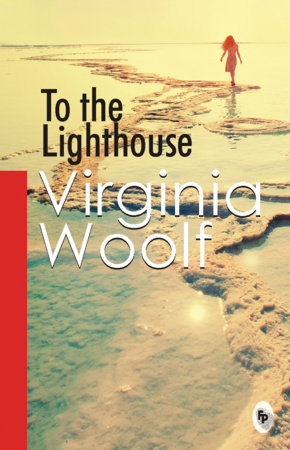
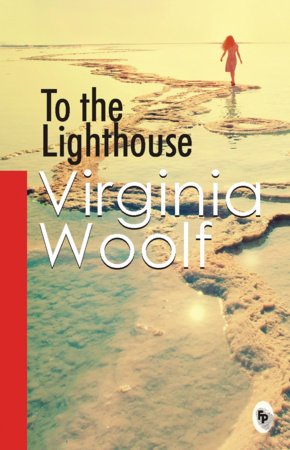
To the Lighthouse by
Virginia Woolf is a landmark of
modernist literature, psychological fiction, and stream-of-consciousness writing. Set around the Ramsay family and their guests at a summer home by the sea, the novel turns seemingly ordinary moments into profound reflections on memory, relationships, identity, and the passage of time.
Through shifting perspectives and interior monologue, Woolf moves deeply into the minds of characters such as Mrs. Ramsay, Mr. Ramsay, and Lily Briscoe. Their private thoughts, desires, insecurities, and emotional connections reveal the subtle tensions within family life, friendship, marriage, creativity, and the expectations placed upon individuals.
Rich in
time, memory, art, gender, loss, perception, and human consciousness,
To the Lighthouse is less concerned with conventional plot than with the ways people experience and remember the world around them. Woolf’s lyrical prose and experimental structure explore how time transforms relationships, how memory preserves what has passed, and how art can become a way of seeking meaning amid impermanence.
Poetic, introspective, and psychologically intricate,
To the Lighthouse is ideal for students, classic literature readers, and anyone interested in
Virginia Woolf, modernist fiction, feminist literature, literary classics, psychological novels, and experimental narrative. Its exploration of family, creativity, mortality, and the inner life makes it an enduring work of twentieth-century literature.
Why should readers pick this book?- A Landmark of Modernist Fiction: Experience Virginia Woolf’s innovative use of stream of consciousness, shifting perspectives, and interior thought to reveal the complexity of human experience.
- Deep Psychological & Emotional Insight: Explore memory, family, loss, gender, identity, creativity, and the quiet tensions that shape relationships over time.
- Ideal for Literary Fiction Readers: Perfect for students, Woolf enthusiasts, modernist literature readers, and anyone drawn to poetic prose, philosophical reflection, and character-driven storytelling.
Key Themes- Time, Memory & Impermanence: Examine how passing time reshapes relationships, perception, grief, and the way people remember significant moments.
- Art, Identity & Creative Purpose: Explore Lily Briscoe’s artistic struggle and the broader questions of perception, expression, and the search for meaning through creation.
- Family, Gender & Inner Life: Reflect on marriage, parental roles, social expectations, intimacy, and the private emotional worlds that exist beneath everyday interactions.