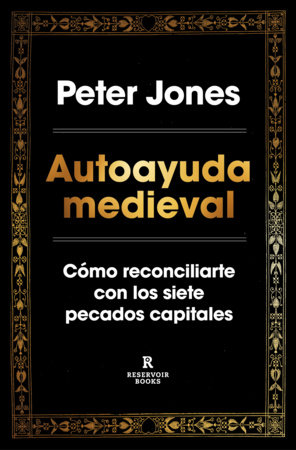
LA SABIDURÍA MEDIEVAL QUE ANTICIPÓ EL SELF-HELP MODERNO: CÓMO VIVIR (BIEN) CON LOS SIETE PECADOS CAPITALES.
Antes del mindfulness, hubo monasterios
Desde los desiertos de Egipto hasta la Biblioteca Vaticana, desde la Florencia de Dante hasta la celda de Catalina de Siena, Jones presenta a los pensadores, místicos y rebeldes que se enfrentaron a las mismas preguntas que nos preocupan ahora: cómo vivir con nuestros defectos, perdonarnos y encontrar sentido en medio de la confusión.
La Edad Media tenía las respuestas, y los pecados capitales nunca habían sido tan saludables. Del claustro al diván y con un tono ideal para el lector de no ficción inteligente o de libros de bienestar, este libro pone de manifiesto que los remedios que buscamos para nuestras ansiedades del siglo XXI ya estaban hace más de setecientos años, escritos en tinta gótica marrón sobre piel de cordero.
Un libro que abraza la fascinación por lo sagrado en plena era «monkcore». Un viaje ingenioso y accesible por manuscritos, pecados y terapias milenarias hacia las raíces del bienestar.
ENGLISH DESCRIPTION
In this charming journey into the past, a historian reveals medieval wisdom that can still guide us today
“One of the most compelling medieval history books I have ever read.” –Ian Mortimer, author of The Time Traveler’s Guide to Medieval England
Peter Jones was teaching medieval history at a university in Siberia when his third icy winter there plunged him into a dark place. Luckily, he knew something few of us know– that for all its reputation for darkness and superstition, the Middle Ages were the golden age of self-help. So he set out on a journey to explore the wisdom of medieval scholars, saints, and mystics, looking for an alternative path through the challenges of modern life.
Never in history, Jones marvels in Self-Help from the Middle Ages, has so much energy and talent gone into studying how the mind works as in the medieval centuries. Although today we think of the Seven Deadly Sins as a catalog of forbidden behavior, in the Middle Ages, at the height of their currency, they were a path to self-knowledge and self-forgiveness. Together, pride, envy, anger, sloth, greed, gluttony and lust were a psychological map that laid out seven basic patterns of thought, showing how our thinking can go astray and how we can find our way home.
In Self-Help from the Middle Ages, Jones explores each sin, searching the hellscapes of Hieronymous Bosch and Giotto, the intimate confessions of Dante and Margery Kempe, and the personal struggles of Francis of Assisi and Catherine of Siena. Along the way he discovers a treasure trove of lost truths about temptation, frustration, addiction, compulsion, burnout, rage, fear, anxiety, and grief that still pulse with life. With beautiful illustrations drawn from medieval art and literature, his book is a gift to all who love history and anyone who has ever sought wisdom from the past.