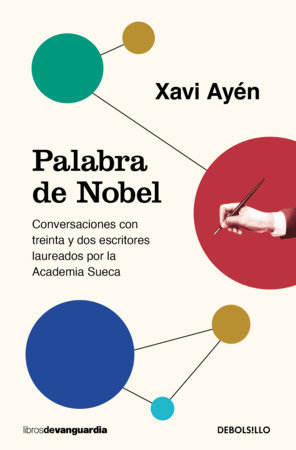
Xavi Ayén debe poseer una pócima secreta que predispone a los autores que entrevista a contar sin tapujos sus vidas. Quizá sea porque son más conversaciones que entrevistas, por lo general en casa del autor, paseando por la ciudad en la que vive o viajando en metro, como con Kenzaburō Ōe.
En total, son treinta y dos premios Nobel a los que Ayén aborda, a menudo en sucesivos encuentros. Cada uno ha sido premiado en función de razones distintas por la Academia Sueca. Cada uno ha desarrollado un método de escritura propio y se preocupa por cuestiones dispares. La coreana Han Kang, cuando escribe sobre la nieve, se desplaza adonde sea necesario para pisarla y sentirla caer. Imre Kertész no supera los remordimientos por haber sobrevivido a los campos nazis, en los que confiesa haber tenido momentos felices. Orhan Pamuk asegura no haber salido nunca de su habitación en Estambul y reivindica la Europa de la Ilustración, y no la cristiana, para que Turquía pueda formar parte de ella. Tomas Tranströmer toca una pieza de piano de Mompou para una sola mano, la única que todavía puede usar. Mario Vargas Llosa recibe la noticia del Nobel por teléfono el mismo día de la entrevista.
En definitiva, un libro para disfrutar de unas suculentas conversaciones sobre literatura, los temas capitales de nuestra historia y la manera de encarar la vida. Con una brillante introducción, además, que revela cómo ha actuado la Academia Sueca para elegir a los laureados a lo largo del tiempo.
ENGLISH DESCRIPTION
Xavi Ayén must possess a secret potion that puts the authors he interviews at ease, allowing them to speak candidly about their lives. Perhaps that is because these are more like conversations than interviews—usually taking place at the author’s home, while strolling through the city where they live, or riding the subway, as with Kenzaburō Ōe.
In total, Ayén engages with thirty-two Nobel laureates, often over the course of multiple meetings. Each has been honored by the Swedish Academy for different reasons. Each has developed a distinctive writing method and is concerned with different issues. The Korean author Han Kang, when writing about snow, travels wherever necessary to walk on it and feel it falling. Imre Kertész cannot overcome his remorse for having survived the Nazi camps, where he admits to having had moments of happiness. Orhan Pamuk claims never to have left his room in Istanbul and advocates for the Europe of the Enlightenment—rather than the Christian one—so that Turkey can be part of it. Tomas Tranströmer plays a one-handed piano piece by Mompou, the only hand he can still use. Mario Vargas Llosa receives the news of his Nobel Prize by phone on the very day of the interview.
In short, this is a book to enjoy rich conversations about literature, the major themes of our history, and how to approach life. It also features a brilliant introduction that reveals how the Swedish Academy has gone about selecting laureates over the years.