






Lists
The Best Books for Preschoolers With Autism
Expert tips and engaging picture books to help parents find stories that capture the attention of preschoolers with autism.
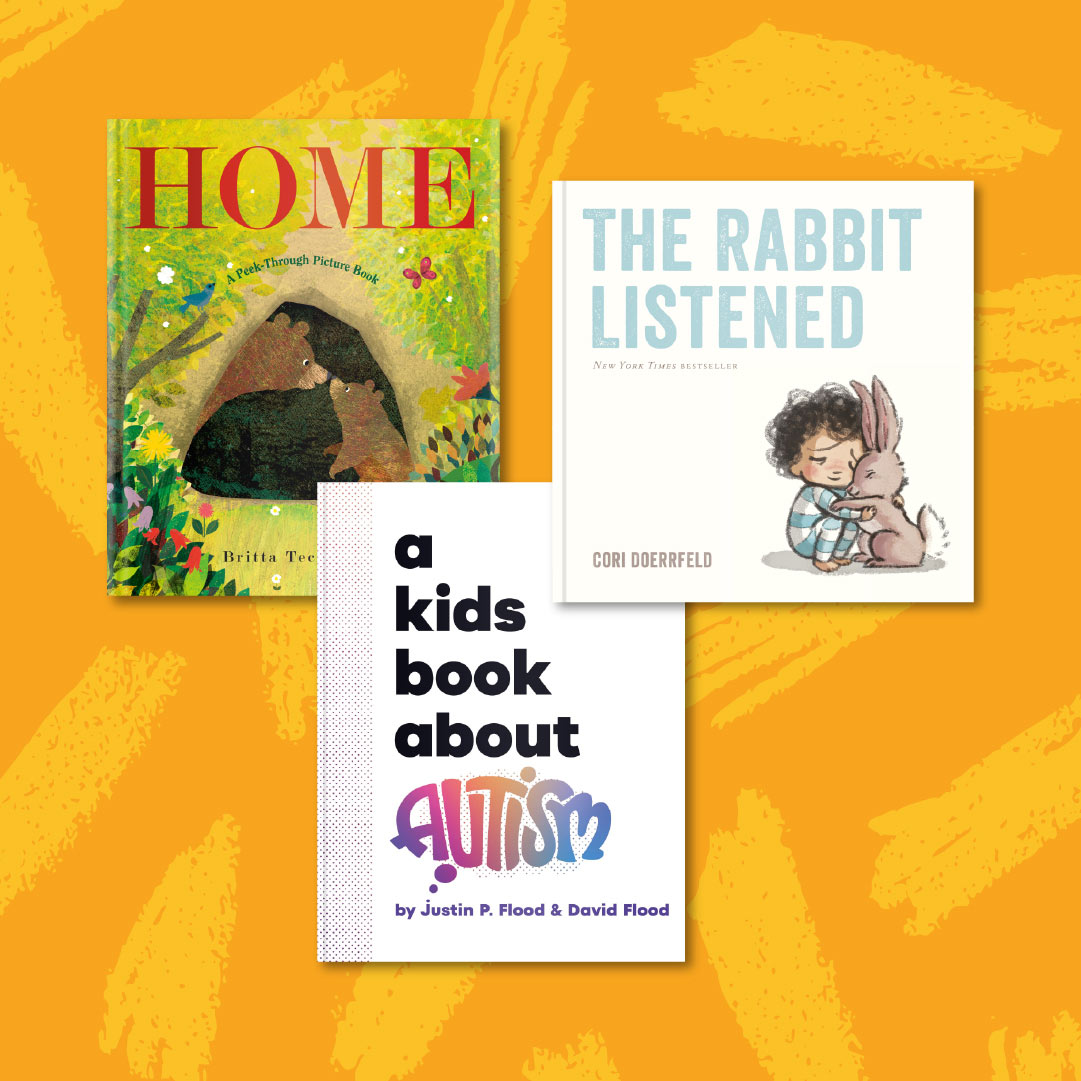
Choosing a book that engages a child can make all the difference when it comes to instilling a lifelong love of reading. For parents looking for the best books for preschoolers with autism, finding stories that hold a child’s attention can be especially meaningful.
Children’s books are foundational in early childhood for all preschoolers. Reading builds a child’s vocabulary, develops social-emotional skills, helps them learn new concepts, and strengthens their connection with caregivers. According to early intervention specialists at the Education Institute for Early Intervention, reading with your child with autism can improve their cognitive functioning, reading comprehension, listening abilities, spelling, and vocabulary.
But where do you start? We’ve provided selection considerations, tips for engagement, and book recommendations to help you find the best books for preschoolers with autism.
How To Choose Books for Autistic Preschoolers
When sharing children’s books with an autistic child, here are some considerations:
1. Start with their interests.
What interests does your child have? Find books about those topics, whether it’s trucks, animals, or another favorite subject.
2. Share books with strong visuals.
Books with clear visual support improve comprehension and engagement. Look for illustration styles that are concrete rather than abstract.
3. Consider the complexity and amount of text.
Picture books vary widely in both length and language. Explore books with concrete concepts, straightforward stories, and shorter text suited to preschool attention spans.
4. Ensure inclusive representation.
If a book is about neurodivergent kids, make sure the representation is inclusive and non-stereotypical. Consider the author as well — are they an expert or autistic themselves? All of this can help guide you when searching for the best books.
5. Include sensory input.
Touch-and-feel books aren’t just for toddlers! Some sensory seekers, like my oldest daughter, love the interactive sensory input of these books at any age. Books with sound buttons or even audiobooks are also great ways to engage kids.
6. Find books with repetition.
Predictable, repetitive text engages readers because they know what to expect on the next page. Plus, it’s fun to read aloud and helps develop literacy skills.
7. Offer a variety of fiction and nonfiction books.
Kids need a balanced reading diet. Even if your reader prefers one kind of book over another, it’s important to expose them to both fiction and nonfiction — aka stories and facts. This will help them grow as readers and learners.
Tips for Engaging With Books
Autism specialist Emily Mori, MS, LCPC, CAS, and author of Social-Emotional Learning for Autistic Kids, shares that engagement with books may look different for autistic children. “Some children may listen while moving, focus on one page repeatedly, repeat favorite lines, or return to books through play later. All of these are meaningful forms of connection.”
Support your autistic preschool reader by considering the following:
1. Adapt your expectations to your individual child.
Whether your child prefers to read in short bursts or long periods of time, either is okay. If your child prefers shorter reading sessions and you don’t finish a book, come back to it later.
2. Build reading routines.
Autistic kids, like all kids, benefit from predictable schedules. Find a reading routine that works for you, whether it’s before bed, before a nap, or during snack time.
3. Reread favorite books.
Children love rereading their favorite books. As they become more familiar with the story or facts, rereading supports growth in knowledge, communication, and literacy skills.
4. Allow movement.
If your child prefers to move instead of sitting still, let them wander around while you read. You might also read during a meal or snack when they’re naturally seated.
Book Recommendations
These recommended children’s books contain strong visuals, predictable structures, interactive elements, and gentle social-emotional themes — all appealing features for autistic preschoolers.
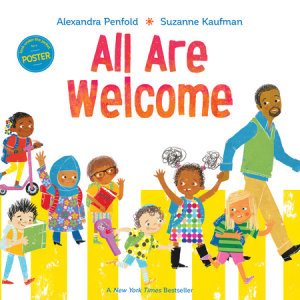


A reassuring book about starting school that introduces an inviting place where all children are welcome — a diverse classroom where students happily learn, play, and create.
Why it’s great: Mori says, “It’s a warm, inclusive book that supports conversations about belonging and differences.” Keep this book in mind for preschoolers experiencing school transitions.
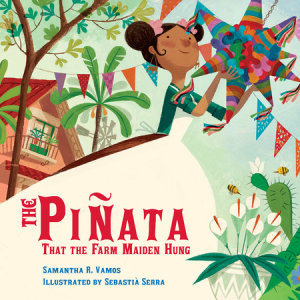
In this clever cumulative story, the farmer, his family, and the animals prepare for someone’s birthday party with a festive piñata.
Why it’s great: “The predictable, cumulative structure and rhythmic language create a comforting, repeatable pattern that many autistic preschoolers find engaging and regulating,” shares Mori. The bilingual element celebrates cultural diversity in a fun, inclusive way.
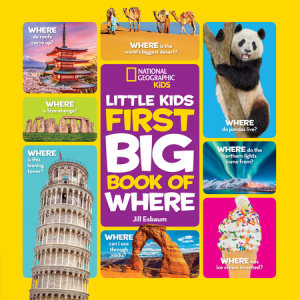
In this location-centric question-and-answer book, children learn about amazing places around the world, including where animals live, where things were invented, and where famous sights are located.
Why it’s great: It’s perfect for children drawn to facts, maps, and real-world concepts — the vivid visuals hold attention and fuel curiosity.
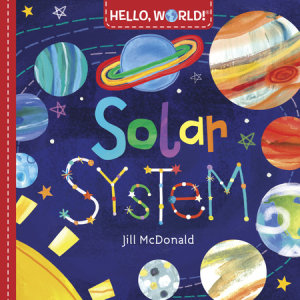
With bold collage illustrations and accessible text, this inviting nonfiction board book introduces children to cool facts about the solar system.
Why it’s great: The simple facts and striking visuals invite pointing and labeling, enouraging interaction and connection.
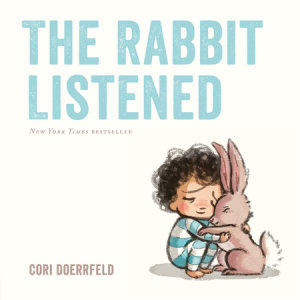
When Taylor feels sad, all the animals offer advice except for Rabbit, who simply listens and sits with Taylor’s feelings, exactly what Taylor needs.
Why it’s great: This book gently models emotional awareness and validation — topics that resonate with many autistic preschoolers who experience strong feelings. Mori also notes that it “aligns well with themes of allowing children to sit with big emotions without rushing them through it.”
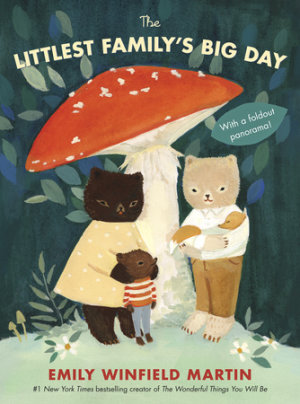
The diminutive Littlest family take a “wander” through their new forest home — having a picnic, sailing leaves on water, and hitching a ride from a friendly owl.
Why it’s great: The comforting pacing, gentle narrative, and dreamy illustrations help build predictability and a state of calm.
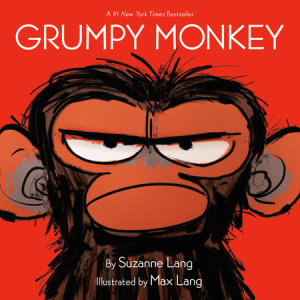
Jim feels grumpy even though it’s a beautiful day. His friends offer suggestions to help cheer him up until eventually they all realize that it’s okay to feel grumpy sometimes.
Why it’s great: It’s a “helpful story for emotional awareness and validation, presented in a humorous and relatable way,” says Mori.
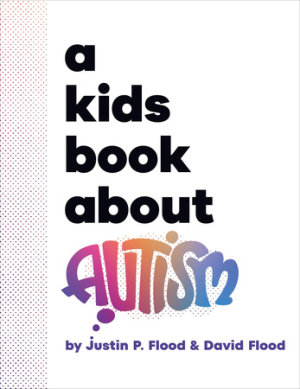
With bold, graphically illustrated pages, Justin and his dad, David, share basic information about autism using understandable language and clear examples.
Why it’s great: According to Mori, this “child-friendly introduction to autism supports understanding and empathy in simple, accessible language.” It’s excellent for early conversations about neurodiversity.
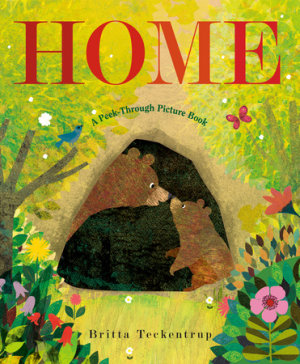
A family of bears notices the unique homes of other animals in the forest. Preschoolers will love the peek-through illustrations that reveal glimpses of what’s on the next page.
Why it’s great: Visual layering and predictable structure help children anticipate what comes next, which can be calming for young readers who enjoy sensory-rich visuals.
The best book for your autistic preschooler is whichever book they love; any book that invites repeated readings, engages them in the story or factual information, and sparks joy and connection.


