



Essays
Sugar and the Making of a Classic
Ta’Kijah Bryant shares what Bernice McFadden’s Sugar can teach us about womanhood, sisterhood, and the meaning of a classic.
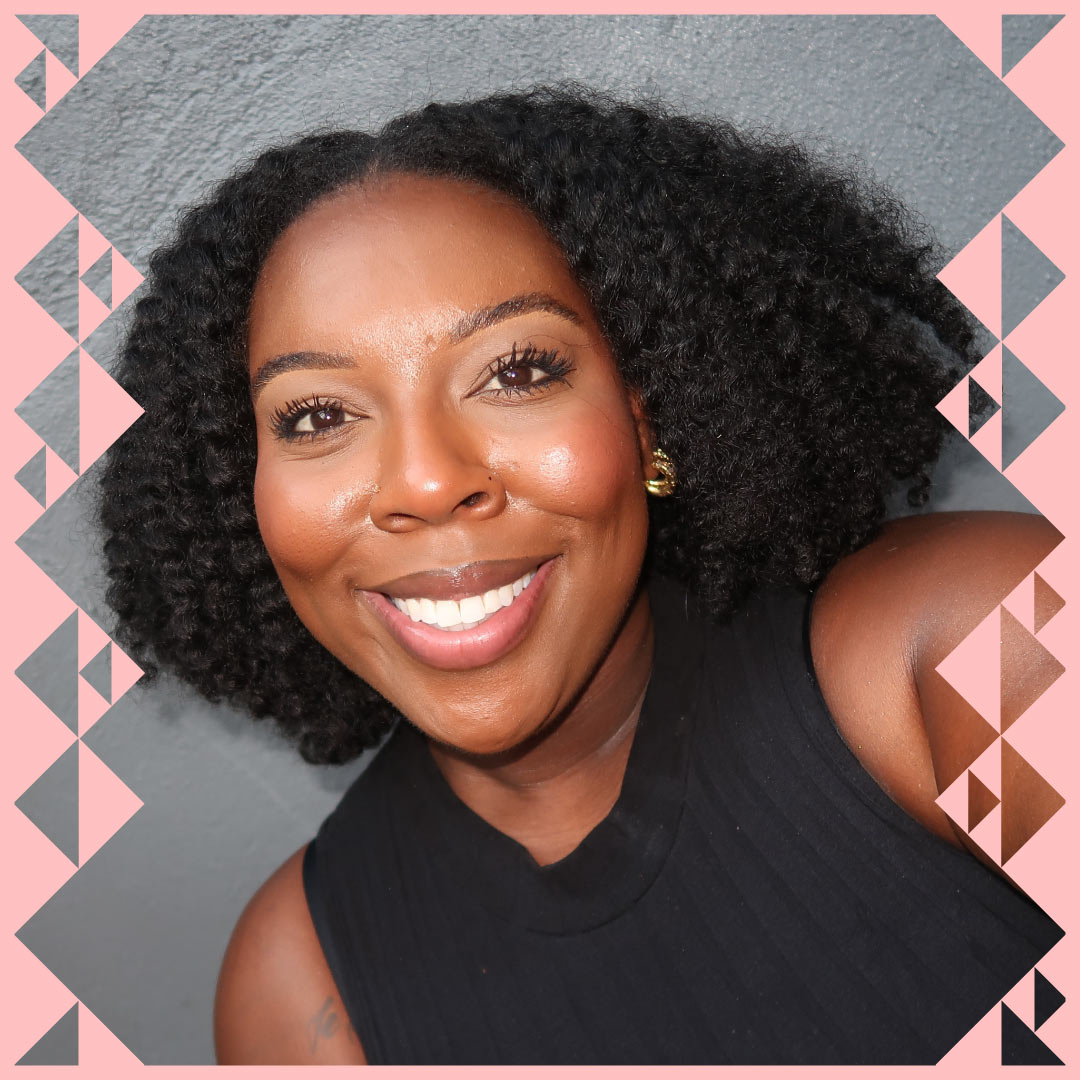
Ta’Kijah Bryant is a Bay Area, CA native and an aspiring archivist of Black art, literature, and culture. When she’s not reading across genres, she works as a project manager in STEM (yay Black Women in STEM!). Her past work experience includes working for Karen Bass, now the mayor of Los Angeles, and managing strategy and accounts at an LA-based digital media agency. Her love for reading has ballooned into self-discovery and a love of knowledge. It is Ta’Kijah’s ultimate goal to unearth hidden gems within the Black canon. Whether it be literature, art, film, or nature, Ta’Kijah wants to amplify the works of Black people and have them canonized as societal “standards”. When she’s not preaching about the importance of raising literacy rates in America, Ta’Kijah is likely collecting seashells, tracking flights to random countries, or FaceTiming her niece. She currently resides in San Diego, CA, where life is literally perfect. You can find Ta’Kijah on Instagram, TikTok, and YouTube.
About a year ago, someone recommended that I read Sugar by Bernice McFadden after I finished reading Sula. I was hungry for another unapologetically Black story about sisterhood. Little did I know, I’d stumbled upon the work of a Black literary legend.
There’s much discourse around what constitutes a classic text. Some may say a classic is something “that stands the test of time” or a text whose themes are still relevant and ever-present today. I tend to agree with Italo Calvino’s definition: “A classic is a book that has never finished saying what it has to say.”
To me, Sugar perfectly embodies that definition. Sugar takes place in 1950s Bigelow, Arkansas, where Black people have created independent lives and rich communities.
So, how can I confidently label Sugar a Black classic text? Well, Sugar is still speaking to us. Sugar is still teaching us. Sugar has not finished saying what it needs to say. Not just through the character herself, who is truly the epitome of Black women’s excellence (in my opinion), but through the conversations that McFadden brings to the table, which are still sitting on our plate. Conversations and discussions centered on trauma, love, friendship, and even community relationships are still as relevant today as they were in the early 2000s.
Sugar, the novel’s protagonist, grapples with her own insecurities and trauma but, at the same time, possesses a level of self-love that oozes through the pages. It’s not always explicitly stated, but the way Sugar moves throughout Bigelow carries the swagger of someone who refuses to let society hold her back.
When I think about Black women today, I think about how complex we are, yet how full of forward momentum we remain. Much like Sugar, many of us have had to face gross injustices since we were little girls. Yet still we rise. And when we can’t, we have our community to fall back on.
Sugar is a novel about deep, subcutaneous sisterly love and healing. When I think of my friendships in 2026, this is where I live. How amazing is it to have a novel published in 2001 that speaks so clearly to me today? That’s what a classic is. A work that transcends time. A work that is forever.
Black classic literature deserves its flowers. Let’s start with this gem of a novel.


