

Did Lovecraft believe in ghosts or paranormal phenomena? In what story does the narrator fear riding the Boston T?
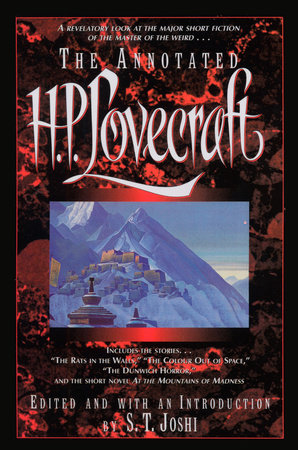
A pathfinder in the literary territory of the macabre, H.P. Lovecraft is one of America’s giants of the horror genre. Now, in this second volume of annotated tales, Lovecraft scholars S. T. Joshi and Peter Cannon provide another rare opportunity to look into the mind of a genius. Their extensive notes lift the veil between real events in the writer’s life—such as the death of his father—and the words that spill out onto the page in magnificent grotesquerie. Mansions, universities, laboratories, and dank New England boneyards appear also as the haunts where Lovecraft’s characters confront the fabulous and fantastic, or—like the narrator in "Herbert West—Reanimator"—dig up fresh corpses.
Richly illustrated and scrupulously researched, this extraordinary work adds exciting levels of meaning to Lovecraft’s chilling tales . . . and increases our wonder at the magic that transforms life into a great writer’s art.
Author
H. P. Lovecraft
H. P. Lovecraft was born in 1890 in Providence, Rhode Island, where he lived most of his life. Frequent illnesses in his youth disrupted his schooling, but Lovecraft gained a wide knowledge of many subjects through independent reading and study. He wrote many essays and poems early in his career, but gradually focused on the writing of horror stories, after the advent in 1923 of the pulp magazine Weird Tales, to which he contributed most of his fiction. His relatively small corpus of fiction—three short novels and about sixty short stories—has nevertheless exercised a wide influence on subsequent work in the field, and he is regarded as the leading twentieth-century American author of supernatural fiction. H. P. Lovecraft died in Providence in 1937.
Learn More about H. P. Lovecraft
