


Best Seller
Ebook
Published on Jan 26, 2011 | 448 Pages



Author
St. Augustine
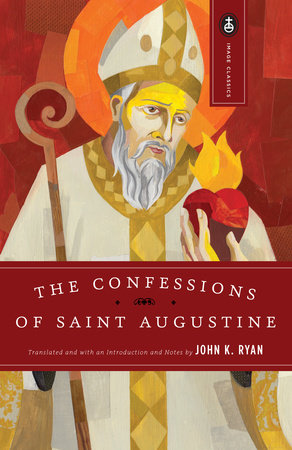
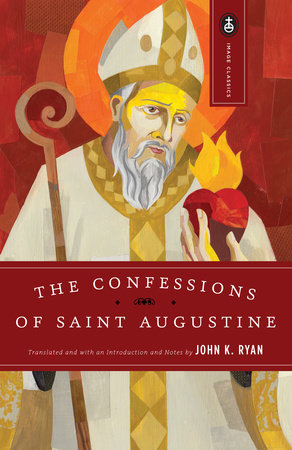
Saint Augustine was one of those towering figures who so dominated his age that the age itself bears his name. The Age of Augustine was a time of transition, and Augustine was a genius of such stature that, according to Christopher Dawson, “he was, to a far greater degree than any emperor or general or barbarian warlord, a maker of history and a builder of the bridge which was to lead him from the old world to the new.” He was the ablest religious thinker and controversialist at a period when theological controversy reached a level of intellectual refinement never achieved before or since. He was a tireless preacher and he wrote 118 treatises, including the most famous spiritual autobiography of all time, The Confessions. Of all these works, the one most prized by Augustine was his City of God, a veritable encyclopedia of information on the lives, thoughts and aspirations of ancient and early Christian man.
Learn More about St. Augustine