


Best Seller
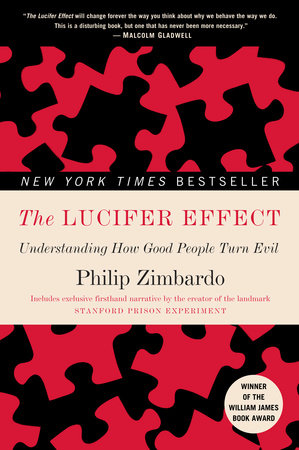
The Lucifer Effect
Paperback
$22.00
Published on Jan 22, 2008 | 576 Pages



Author
Philip Zimbardo
Philip G. Zimbardo, PhD, was a professor of psychology emeritus at Stanford University and a former president of the American Psychological Association. Highly regarded as a generous teacher and mentor, he inspired thousands of students and educators to become interested in the field of psychology. His passionate approach to the ethos of “giving psychology away”—introducing academic and non-academic audiences alike to the field and its real-world applications—led many students around the world to call him “Uncle Phil.” Zimbardo became a public face of psychology as host and a co-creator of the Discovering Psychology television series and telecourse and as author of multiple editions of the textbook Psychology and Life. He authored over 500 articles, chapters, textbooks, and trade books on topics such as persuasion, dissonance, shyness, time perspective, deindividuation, cults, and obedience to authority. Zimbardo’s popular books have often been reprinted and translated into multiple languages and include The Lucifer Effect, Shyness, and The Time Paradox. He received numerous awards for his distinguished teaching, creative research, dedication to social action, and career-long contributions to social psychology. Zimbardo founded the nonprofit Heroic Imagination Project (2010–present), which organizes educational programs globally.
Learn More about Philip Zimbardo