
Best Seller
Paperback
$21.00
Published on Mar 15, 2007 | 280 Pages

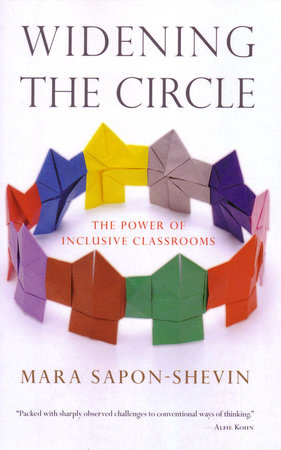
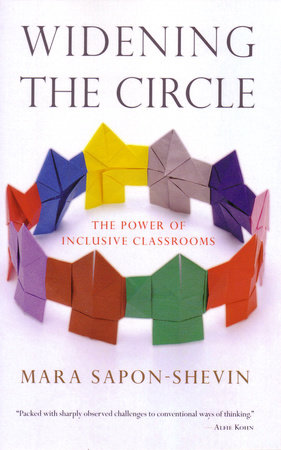
Widening the Circle is a passionate, even radical argument for creating school and classroom environments where all kids, including children labeled as “disabled” and “special needs,” are welcome on equal terms.
In opposition to traditional models of special education, where teachers decide when a child is deemed “ready to compete” in “mainstream” classes, Mara Sapon-Shevin articulates a vision of full inclusion as a practical and moral goal. Inclusion, she argues, begins not with the assumption that students have to earn their way into the classroom with their behavior or skills, it begins with the right of every child to be in the mainstream of education, perhaps with modifications, adaptations, and support. Full inclusion requires teachers to think about all aspects of their classrooms—pedagogy, curriculum, and classroom climate.
Crucially, Sapon-Shevin takes on arguments against full inclusion in a section of straight-talking answers to common questions. She agrees with critics that the rhetoric of inclusion has been used to justify eliminating services and “dumping” students with significant educational needs unceremoniously back into the mainstream with little or no support. If full inclusion is properly implemented, however, she argues, it not only clearly benefits those traditionally excluded but enhances the educations and lives of those considered mainstream in myriad ways.
Through powerful storytelling and argument, Sapon-Shevin lays out the moral and educational case for not separating kids on the basis of difference.
In opposition to traditional models of special education, where teachers decide when a child is deemed “ready to compete” in “mainstream” classes, Mara Sapon-Shevin articulates a vision of full inclusion as a practical and moral goal. Inclusion, she argues, begins not with the assumption that students have to earn their way into the classroom with their behavior or skills, it begins with the right of every child to be in the mainstream of education, perhaps with modifications, adaptations, and support. Full inclusion requires teachers to think about all aspects of their classrooms—pedagogy, curriculum, and classroom climate.
Crucially, Sapon-Shevin takes on arguments against full inclusion in a section of straight-talking answers to common questions. She agrees with critics that the rhetoric of inclusion has been used to justify eliminating services and “dumping” students with significant educational needs unceremoniously back into the mainstream with little or no support. If full inclusion is properly implemented, however, she argues, it not only clearly benefits those traditionally excluded but enhances the educations and lives of those considered mainstream in myriad ways.
Through powerful storytelling and argument, Sapon-Shevin lays out the moral and educational case for not separating kids on the basis of difference.
Author
Mara Sapon-Shevin
Mara Sapon-Shevin is a professor of inclusive education at Syracuse University. She the author of several published works, including Because We Can Change the World, Educational Courage: Resisting the Ambush of Public Education, Widening the Circle: The Power of Inclusive Classrooms, and Condition Critical: Key Principles for Equitable and Inclusive Education.
Learn More about Mara Sapon-ShevinYou May Also Like
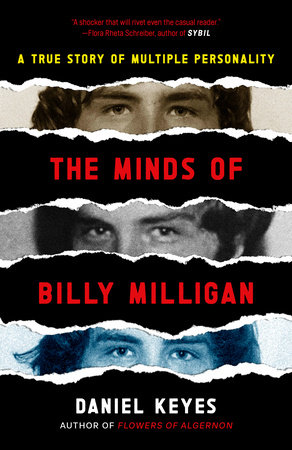
The Minds of Billy Milligan
Trade Paperback
$20.00
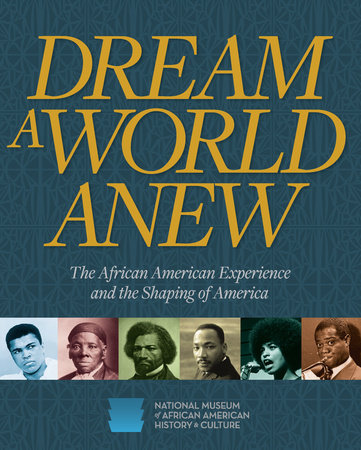
Dream a World Anew
Trade Paperback
$40.00
Sewing Clothes for Barbie
Trade Paperback Original
$19.95
Defiance
Hardcover
$32.00
Young Man in a Hurry
Hardcover
$30.00
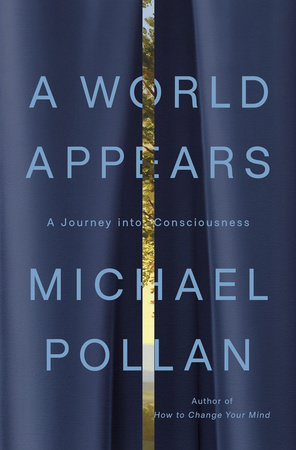
A World Appears
Hardcover
$32.00
Unholy Kingdom
Trade Paperback
$21.95
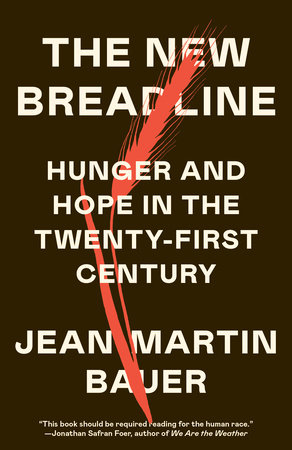
The New Breadline
Trade Paperback
$20.00
Stuck
Trade Paperback
$20.00
×