Author’s Note:
This, sadly, is a true story. It is based upon a controversial series I wrote for the San Jose Mercury News in the summer of 1996 about the origins of the crack plague in South Central Los Angeles.
Unlike other books that purport to tell the inside story of America’s most futile war (Kings of Cocaine by Guy Gugliotta and Jeff Leen and Desperados by Elaine Shannon spring to mind), Dark Alliance was not written with the assistance, cooperation, or encouragement of the U.S. Drug Enforcement Administration or any federal law enforcement agency.
In fact, the opposite is true. Every Freedom of Information Act request I filed was rejected on national security or privacy grounds, was ignored, or was responded to with documents so heavily censored they must have been the source of much hilarity clown at the FOIA offices. The sole exception was the National Archives and Records Administration.
Dark Alliance docs not propound a conspiracy theory; there is nothing theoretical about history. In this case, it is undeniable that a wildly successful conspiracy to import cocaine existed for many years, and that innumerable American citizens-most of them poor and black-paid an enormous price as a result.
This book was written for them, so that they may know upon what altars their communities were sacrificed. — G.W.
Major Motion Picture based on Dark Alliance and starring Jeremy Renner, “Kill the Messenger,” to be be released in Fall 2014
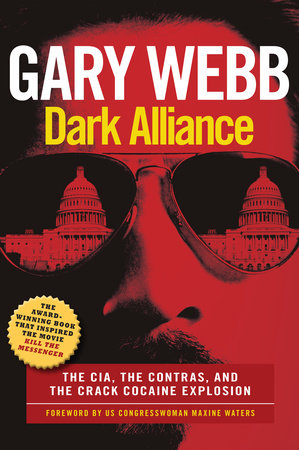
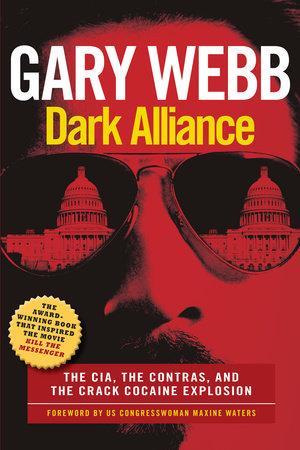
In August 1996, Pulitzer Prize-winning journalist Gary Webb stunned the world with a series of articles in the San Jose Mercury News reporting the results of his year-long investigation into the roots of the crack cocaine epidemic in America, specifically in Los Angeles. The series, titled “Dark Alliance,” revealed that for the better part of a decade, a Bay Area drug ring sold tons of cocaine to Los Angeles street gangs and funneled millions in drug profits to the CIA-backed Nicaraguan Contras.
Gary Webb pushed his investigation even further in his book,
Dark Alliance: The CIA, The Contras, and the Crack Cocaine Explosion. Drawing from then newly declassified documents, undercover DEA audio and videotapes that had never been publicly released, federal court testimony, and interviews, Webb demonstrates how our government knowingly allowed massive amounts of drugs and money to change hands at the expense of our communities.
Webb’s own stranger-than-fiction experience is also woven into the book. His excoriation by the media—not because of any wrongdoing on his part, but by an insidious process of innuendo and suggestion that in effect blamed Webb for the implications of the story—had been all but predicted. Webb was warned off doing a CIA expose by a former Associated Press journalist who lost his job when, years before, he had stumbled onto the germ of the “Dark Alliance” story. And though Internal investigations by both the CIA and the Justice Department eventually vindicated Webb, he had by then been pushed out of the
Mercury News and gone to work for the California State Legislature Task Force on Government Oversight. He died in 2004.







 QUICK VIEW