
Best Seller
Ebook
Published on Feb 23, 2016 | 140 Pages

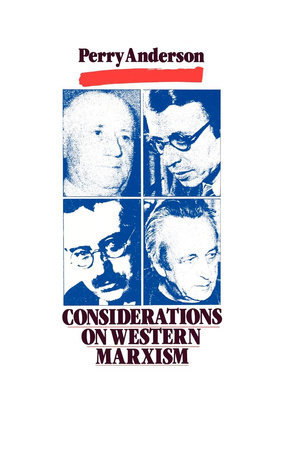
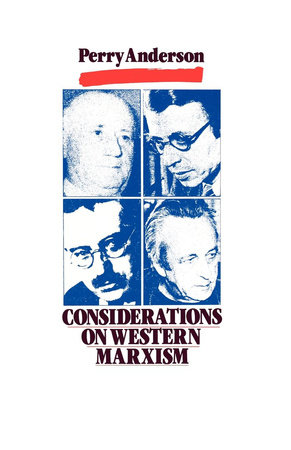
This synoptic essay considers the nature and evolution of the Marxist theory that developed in Western Europe, after the defeat of the proletarian rebellions in the West and the isolation of the Russian Revolution in the East in the early 1920s. It focuses particularly on the work of Lukács, Korsch and Gramsci; Adorno, Marcuse and Benjamin; Sartre and Althusser; and Della Volpe and Colletti, together with other figures within Western Marxism from 1920 to 1975. The theoretical production of each of these thinkers is related simultaneously to the practical fate of working-class struggles and to the cultural mutations of bourgeois thought in their time. The philosophical antecedents of the various school within this tradition—Lukácsian, Gramscian, Frankfurt, Sartrean, Althusserian and Della Volpean—are compared, and the specific innovations of their respective systems surveyed. The structural unity of ‘Western Marxism’, beyond the diversity of its individual thinkers, is then assessed, in a balance-sheet that contrasts its heritage with the tradition of ‘classical’ Marxism that preceded it, and with the commanding problems which will confront any historical materialism to succeed it.
Author
Perry Anderson
Perry Anderson is the author of, among other books, Spectrum, Lineages of the Absolutist State, Passages from Antiquity to Feudalism, Considerations on Western Marxism, English Questions, The Origins of Postmodernity, and The New Old World. He teaches history at UCLA and is on the editorial board of New Left Review.
Learn More about Perry AndersonYou May Also Like
Confidence Men
Trade Paperback
$19.95
Exhumations
Hardcover
$26.00
Last Branch Standing
Hardcover
$32.00
The Future Is Peace
Hardcover
$30.00
The Promise of a Nation
Hardcover
$40.00
Peace Infrastructures
Trade Paperback Original
$45.00
Nothing at All
Unabridged Audiobook Download
$20.00
The Burning Ground
Unabridged Audiobook Download
$15.00
New Cold Wars
Trade Paperback
$21.00
×