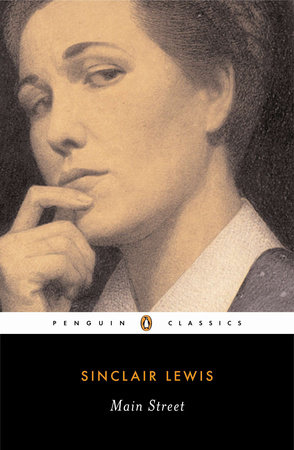
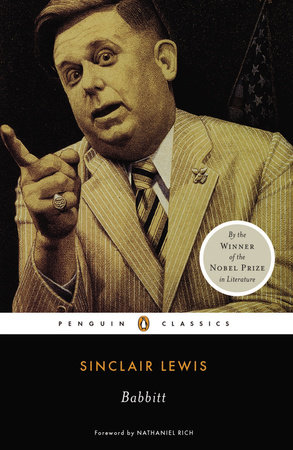
The masterpiece of Nobel Prize winner Sinclair Lewis
A Penguin Classic
George F. Babbitt, a conniving, prosperous real estate man from Zenith, Ohio, revels in his popularity, his success, and, especially, in the material rewards they bring. He bullies his wife, flirts with other women, and patronizes the less successful. But when his best friend is sent to prison for killing his wife, Babbitt’s middle-class complacency is shattered, and he rebels, seeking a more “meaningful” life. His small revolt is quickly defeated, however, by public opinion and his own need for acceptance. Babbitt captures the flavor of America during the economic boom years of the 1920’s, and its protagonist has become the symbol of middle-class mediocrity, his name an enduring part of the American lexicon.
For more than seventy years, Penguin has been the leading publisher of classic literature in the English-speaking world. With more than 1,700 titles, Penguin Classics represents a global bookshelf of the best works throughout history and across genres and disciplines. Readers trust the series to provide authoritative texts enhanced by introductions and notes by distinguished scholars and contemporary authors, as well as up-to-date translations by award-winning translators.







 QUICK VIEW