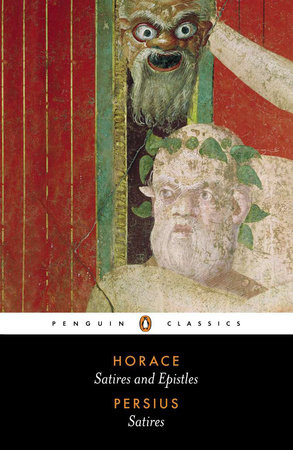
Inspiring poets from Ben Jonson and Alexander Pope to W. H. Auden and Robert Frost, the writings of Horace and Persius have had a powerful influence on later Western literature. The Satires of Persius are highly idiosyncratic, containing a courageous attack on the poetry and morals of his wealthy contemporaries—even the ruling emperor, Nero. The Satires of Horace, written in the troubled decade ending with the establishment of Augustus’s regime, provide an amusing treatment of men’s perennial enslavement to money, power, glory, and sex. Epistles I, addressed to the poet’s friends, deals with the problem of achieving contentment amid the complexities of urban life, while Epistles II and the Ars Poetica discuss Latin poetry—its history and social functions, and the craft required for its success.
For more than seventy years, Penguin has been the leading publisher of classic literature in the English-speaking world. With more than 1,700 titles, Penguin Classics represents a global bookshelf of the best works throughout history and across genres and disciplines. Readers trust the series to provide authoritative texts enhanced by introductions and notes by distinguished scholars and contemporary authors, as well as up-to-date translations by award-winning translators.







 QUICK VIEW