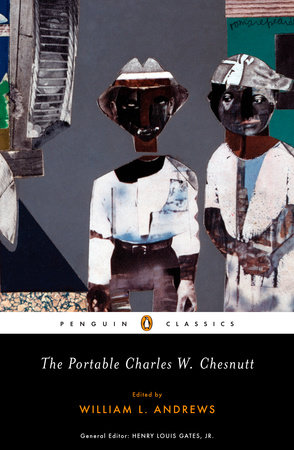
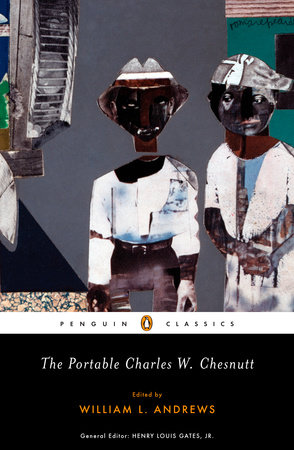
An icon of nineteenth-century American fiction, Charles W. Chesnutt, an incisive storyteller of the aftermath of slavery in the South, is widely credited with almost single-handedly inaugurating the African American short story tradition and was the first African American novelist to achieve national critical acclaim. This major addition to Penguin Classics features an ideal sampling of his work: twelve short stories (including conjure tales and protest fiction), three essays, and the novel The Marrow of Tradition. Published here for the 150th anniversary of Chesnutt’s birth, The Portable Charles W. Chesnutt will bring to a new audience the genius of a man whose legacy underlies key trends in modern Black fiction.
For more than seventy years, Penguin has been the leading publisher of classic literature in the English-speaking world. With more than 1,700 titles, Penguin Classics represents a global bookshelf of the best works throughout history and across genres and disciplines. Readers trust the series to provide authoritative texts enhanced by introductions and notes by distinguished scholars and contemporary authors, as well as up-to-date translations by award-winning translators.
Author
Charles W. Chesnutt
Charles W. Chestnutt (1858–1932) was born in Cleveland, Ohio, where his family had moved from Fayettefille, North Carolina, to seek better economic opportunities. Shortly after the Civil War, they returned to Fayetteville, where Chesnutt spent most of his childhood and young adulthood. He taught in local public schools, eventually returning to Cleveland and being admitted to the bar. He established a legal stenography business yet found himself strongly attracted to writing fiction. He published two collections of short stories, The Conjure Woman and The Wife of His Youth and Other Stories of the Color Line (1890) and three widely reviewed novels, The House Behind the Cedars (1900), The Marrow of Tradition (1901), and The Colonel’s Dream (1905), while devoting essays and speeches to agitation for civil rights for African Americans, especially in the South. Unable to support his family as a full-time writer, he resumed his business career but maintained until his death a respected role in African American letters.
Learn More about Charles W. Chesnutt