





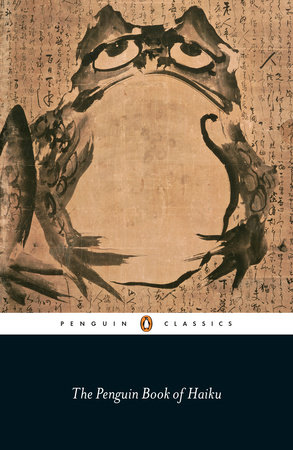

First Penguin volume
Of best Japanese haiku
Vivid translations
Now a global poetry, the haiku was originally a Japanese verse form that flourished from the sixteenth to nineteenth centuries. Although renowned for its minimalism and brevity, usually running three lines in seventeen syllables, and by its use of natural imagery to make Zen-like observations about reality, in fact the haiku is much more: it can be erotic, funny, crude and mischievous. Presenting over a thousand exemplars in vivid and engaging translations by Adam L. Kern, this anthology offers an illuminating introduction to this widely celebrated, if misunderstood, art form.
Of best Japanese haiku
Vivid translations
Now a global poetry, the haiku was originally a Japanese verse form that flourished from the sixteenth to nineteenth centuries. Although renowned for its minimalism and brevity, usually running three lines in seventeen syllables, and by its use of natural imagery to make Zen-like observations about reality, in fact the haiku is much more: it can be erotic, funny, crude and mischievous. Presenting over a thousand exemplars in vivid and engaging translations by Adam L. Kern, this anthology offers an illuminating introduction to this widely celebrated, if misunderstood, art form.
You May Also Like
 QUICK VIEW
Shakespearean Tragedy
Paperback
$20.00
QUICK VIEW
The Diary of Lady Murasaki
Paperback
$16.00
QUICK VIEW
Rumi: Poems
Hardcover
$20.00
QUICK VIEW
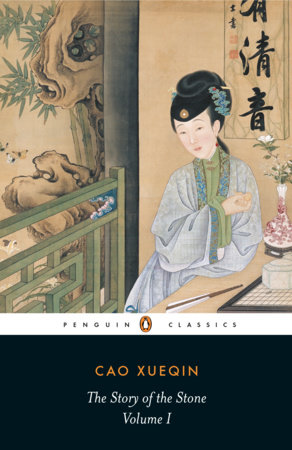
The Story of the Stone, Volume I
Paperback
$21.00
QUICK VIEW
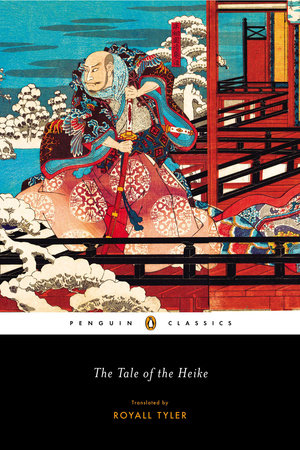
The Tale of the Heike
Paperback
$32.00
QUICK VIEW
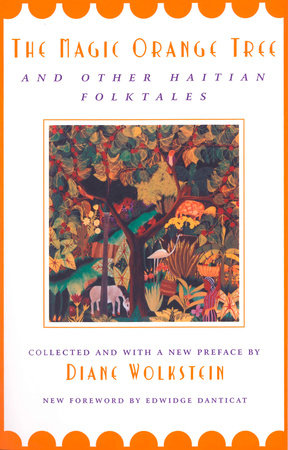
The Magic Orange Tree
Paperback
$18.00
QUICK VIEW
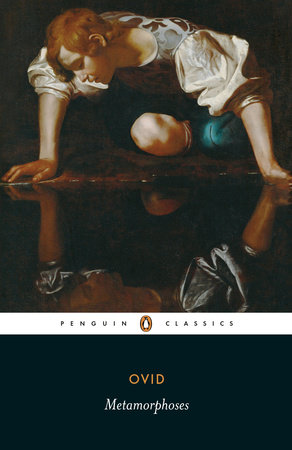
Metamorphoses
Paperback
$13.00
QUICK VIEW
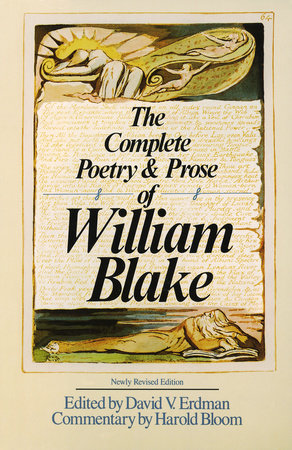
The Complete Poetry & Prose of William Blake
Paperback
$32.00
QUICK VIEW
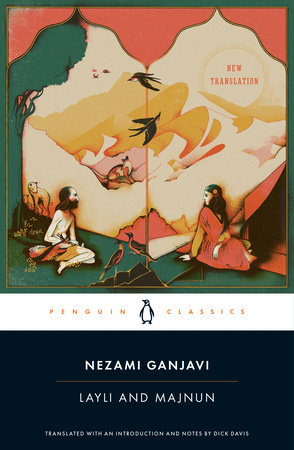
Layli and Majnun
Paperback
$18.00
QUICK VIEW
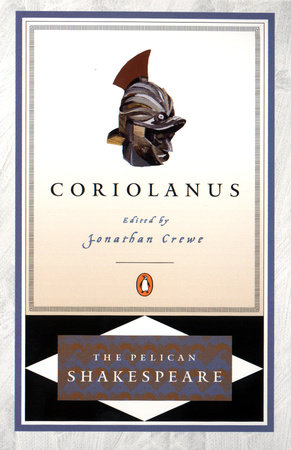
Coriolanus
Paperback
$15.00


×