
Best Seller
Loading
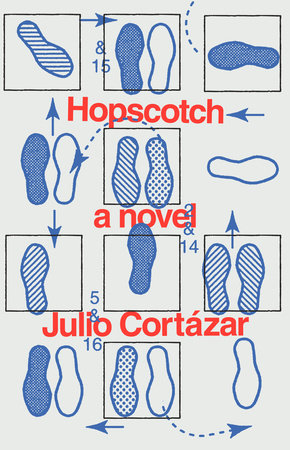
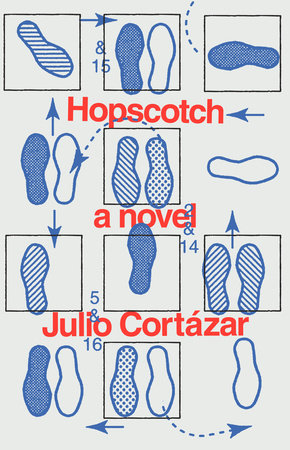
Hopscotch
Ebook
Published on Aug 05, 2014 | 576 Pages



Author
Julio Cortázar
Julio Cortázar was born in Brussels of Argentine parents in 1914. After World War I his family returned to Argentina, where he received a literature degree from the teachers college in Buenos Aires in 1935. From 1935 to 1945 he taught in secondary schools in several Argentine towns. From 1945 to 1951 he worked as a literary translator for Argentine publishing houses, translating the complete prose works of Edgar Allan Poe, as well as works by André Gide, Walter de la Mare, G.K. Chesterton, Daniel Defoe, and Jean Giono. He refused a chair at the University of Buenos Aires because of his opposition to the Perón regime. In 1951 he moved to France, where he lived until his death in 1984, dividing his time between Paris and the Provençal town of Saignon. He accepted President Mitterand’s offer of French citizenship in 1981, while insisting that he had not relinquished his Argentine citizenship.Active in Latin American politics, he visited Cuba in 1961 and Nicaragua in 1983; he donated his Prix Médicis prize money for his novel Libro de Manuel to the United Chilean Front. During most of his years in France he worked for four months as a translator from French and English into Spanish for UNESCO and devoted the rest of the year to his writing and other loves such as the jazz trumpet. He published poems and plays in the thirties and forties but achieved his first major success with a book of stories, Bestiario, in 1951 His novel Rayuela (translated into English as Hopscotch in 1966), was widely praised and won Cortázar an enthusiastic international following.
Learn More about Julio Cortázar QUICK VIEW
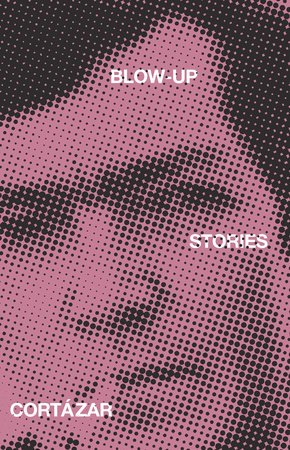 QUICK VIEW
 QUICK VIEW
 QUICK VIEW
 QUICK VIEW
 QUICK VIEW
 QUICK VIEW
 QUICK VIEW
 QUICK VIEW
 QUICK VIEW