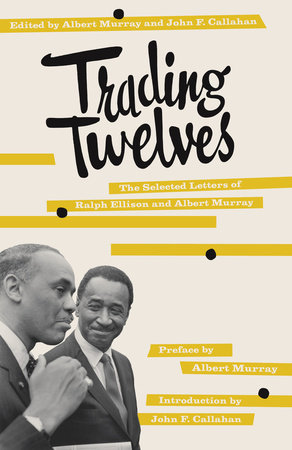
This absorbing collection of letters spans a decade in the lifelong friendship of two remarkable writers who engaged the subjects of literature, race, and identity with deep clarity and passion.
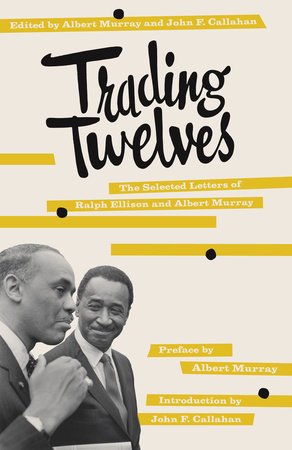
The correspondence begins in 1950 when Ellison is living in New York City, hard at work on his enduring masterpiece, Invisible Man, and Murray is a professor at Tuskegee Institute in Alabama. Mirroring a jam session in which two jazz musicians "trade twelves"—each improvising twelve bars of music around the same musical idea-their lively dialog centers upon their respective writing, the jazz they both love so well, on travel, family, the work literary contemporaries (including Richard Wright, James Baldwin, William Faulkner and Ernest Hemingway) and the challenge of racial inclusiveness that they wish to pose to America through their craft. Infused with warmth, humor, and great erudition, Trading Twelves offers a glimpse into literary history in the making—and into a powerful and enduring friendship.






 QUICK VIEW