




READERS GUIDE
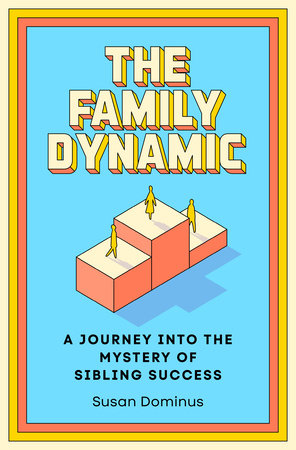
1. Do you think the book “humanizes” the families in the book, or “lionizes” them as exceptional? How did that affect your reading of the book?2. Within the general conversation on parenting, there is often embedded the concept of parental oversight and how it helps or hurts. After reading The Family Dynamic, do you have thoughts about the point at which parental oversight crosses over from being constructive to being controlling?
3. Discuss the author’s use of the Brontë family as a motif throughout the book. Did you find their story relatable? What were some of the ways their story was parallel to other families’ in the book, and what made them unique?
4. How did Jerry and Jeannine Groff’s emphasis on toughness (“Groffness”) and endurance shape the lives of their children? Discuss the positive and negative impacts of this parenting approach on Adam, Lauren, and Sarah.
5. Discuss the roles that siblings have in influencing one another. For which families was that influence more present? Overall, do you see strong sibling dynamics as having a positive or negative effect?
6. Julia Leonard’s research on how modeling effort can inspire persistence in children suggests that children learn by observing adults. How can parents both support their children’s development of persistence and self-discipline and encourage and provide them the freedom to explore their own curiosities? Can you point to any examples of parents who did this successfully in the book?
7. What parenting strategies did Millicent and Bishop Sr. employ to ensure their children’s success, and how did these strategies influence their children’s lives personally and publicly, amid the historical period they grew up in? How did these strategies continue to impact Marilyn, Bishop, and Ed in their adult lives?
8. Parents’ high expectations for their children is a recurring theme throughout the book. The author refers to expectations as a “guidepost.” How do you think it can provide a positive inspiration for children? Is there a cost?
9. In the Murguía family, the parents commanded a respect and honor from all their children, but among the youngest four “their tongues were quick; their skins were thick.” How did the competitive and supportive relationships of these four siblings contribute to their personal growth and how did it shape their collective identity as a family unit?
10. Ying Chen, the mother of Elizabeth, Yi, Gang, and Devon, valued the beauty that music could bring into her children’s lives and went to extremes to ensure they experienced it. Discuss the benefits that music offered her children as well as what was sacrificed alongside her insistence that each child develop musical expertise.
11. What role do you see luck playing in success? Was there a particular family’s story or individual who encountered a lucky break that struck you as being pivotal in influencing where they ended up?
12. Diane Paulus described her mother as having “a deep way of looking without desire.” What does she mean by that? How do you view her mother’s desire for her children’s success in the arts compared to her father’s?
13. When you consider the success of the Wojcicki sisters, how much of that do you think can be attributed to their environment in the 1960s and 1970s in Palo Alto and how much is a reflection of the parenting style and the high expectations of their mother, Esther?
14. After reading The Family Dynamic, do you have a different perspective on how your siblings shaped you, your ambitions, and/or your drive? Do you see your own childhood or parenting style differently now?
15. In your opinion, what is the value of studying successful families like those in The Family Dynamic and numerous other parenting books written by parents of successful children? What does the conversation often leave out?