




READERS GUIDE
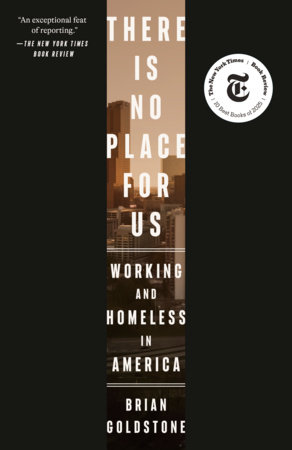
THERE IS NO PLACE FOR US by Brian Goldstone Discussion Questions1. Discuss the social stigma of poverty and homelessness. Why do we often consider it an individual failing rather than a societal one? How could a shift in perspective affect our understanding of responsibility and potential solutions?
2. How does race intersect with housing insecurity in the stories presented, particularly in cities like Atlanta? How does the history of systemic racism, including redlining and restrictive covenants, contribute to cycles of economic instability?
3. What are the legal and ethical obligations of landlords to their tenants? How have landlords violated those obligations, in this book and at large? How can tenants effectively advocate for their rights?
4. A “housing wage” is the hourly wage a full-time worker needs to earn to afford a modest two-bedroom rental unit without spending more than 30 percent of their income on housing. What are the implications of the fact that the housing wage in Atlanta is significantly higher than the minimum wage? How does this contribute to the rise of homelessness?
5. The author highlights how mental health issues are more likely the result of being unhoused, rather than the cause. What role do mental health problems play in the experiences of the families depicted? How do societal attitudes toward mental illness compound these challenges?
6. The author cites that gentrification begins with a “rent gap,” the difference between the current value of land and the higher returns it could yield through some intervention. What other factors determine which neighborhoods might be gentrified? How are the families featured in the book affected by gentrification? What examples of gentrification do you see in your own area?
7. How did the pandemic affect those featured in the book and compound the homelessness crisis in general?
8. What roles do private companies, nonprofits, and governments play in resolving the housing crisis? How do Wall Street firms and private equity undermine these efforts? How do you think the homeless and housing crises change from administration to administration?
9. Despite significant hardships, the families in the story exhibit resilience. How do these narratives challenge stereotypes about the unhoused? Whose story has resonated most with you, and why?
10. What are your biggest takeaways from the book? Has There Is No Place for Us changed your views on the working homeless in America? How has your knowledge expanded?
11. While the book focuses on people and families in the Atlanta area, where do you see similar scenarios playing out in other parts of the United States?
12. Author Brian Goldstone concludes that “We have the solutions. We have the resources. What we need now is the will to act.” How does that statement resonate with you? What action and changes would you like to see going forward?