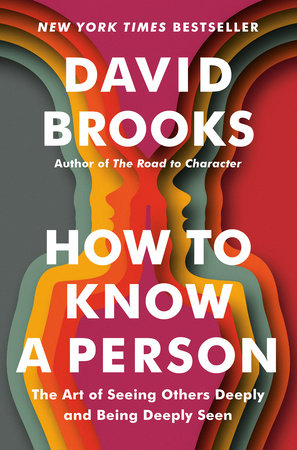
How to Know a Person Reader’s Guide
By David Brooks



1. Brooks argues that truly knowing someone requires deep listening. How do you personally distinguish between hearing someone and truly listening to them?
2. The book highlights “illuminators” vs. “diminishers.” Can you recall a time when someone illuminated you—made you feel truly seen? How can we practice becoming illuminators in our daily lives?
3. Brooks suggests that curiosity is an act of love. Do you agree? What does genuine curiosity look like in a family, friendship, workplace, or faith community?
4. How does the book challenge the way our culture often prioritizes achievement or appearance over character and connection?
5. Brooks talks about the importance of storytelling in understanding others. In what ways do stories help you know someone more deeply than facts alone?
6. Brooks emphasizes the power of seeing others with dignity and worth. How does this idea connect to your own values, worldview, or spiritual beliefs about how we should treat people?
7. The book notes that many people are “underconfident,” struggling with insecurity. How can we, as friends or community members, help draw out their confidence and gifts?
8. Brooks emphasizes humility in relationships. How do you balance humility with the need to express your own story and perspective?
9. This is a book about seeing others. How does this perspective shape how you view the political events of the current moment?
10. Think about the people in your life who are hardest for you to understand. How might Brooks’s framework give you new tools for approaching those relationships?
11. What role do empathy and judgment play together? Is it possible to empathize without excusing harmful behavior?
12. Brooks suggests that we should view others as “whole people, not just categories or roles.” How can we resist labeling people—whether by politics, career, or background—and instead see them more fully?
13. Action-oriented: What is one specific practice from the book you’d like to try this week to better know the people in your life?