READERS GUIDE
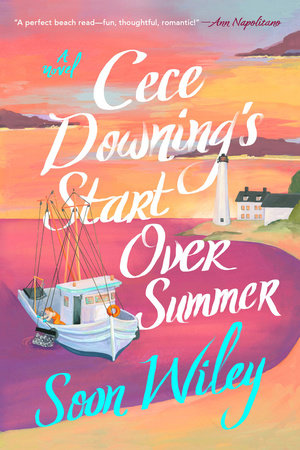
1. Cece’s firing, breakup, and move to New London set this story in motion. Do you think she sees these events as failures or opportunities? Does that perception change as the novel goes on? How does the book explore the challenges and joys of “starting over”?
2. Cece moves from an analytical, numbers-driven desk job to one of manual labor at the oyster farm. How does this change affect her understanding of what work and purpose can look like? What commentary do you think the novel is making about white-collar
versus blue-collar labor?
3. Cece once believed life could be “charted out on graph paper” and that risk could be accounted for. How does this mind-set both help and hinder her as she navigates love, family, and her career? Why do you think uncertainty is so hard for Cece to grapple with?
4. Cece’s relationship with Morgan unfolds during a time filled with huge changes for her. What does Morgan offer her that’s different from what her former fiancé did? How does Morgan surprise her throughout the story?
5. Cece’s mother has long pressured her to pursue financial security in both her career and marriage and, for most of the book, she encourages Cece to reunite with her wealthy ex. How do societal and parental expectations shape Cece’s choices? How is the generational divide apparent throughout the book? How does Cece’s mother ultimately surprise us, and how does her mom’s choice in turn affect Cece?
6. In Cece’s relationships with both Jonathan and Morgan, power imbalances arise. Who do you think calls the shots in each of these relationships? How does that impact how Cece feels about these men and the life she could have with each of them?
7. The proposed Rayburn Oyster Farm expansion divides wealthy waterfront homeowners and working-class locals. How does this conflict come to define the story and Cece’s perception of class in her new home? What does this divide say about money, gentrification, and environmentalism in communities like this one?
8. Cece works at the oyster farm all summer but only near the end of the book does she actually eat an oyster and learn how to properly appreciate them. Why do you think that is? What does that say about her relationship with the natural world and sensory experiences?
9. We learn that Cece has vowed never to get in a pool again after her swimming career ended badly, but she seems to view the ocean differently. What do these two bodies of water represent to Cece? By the end of the book, do you think she views her experience in the water with new eyes?