
Best Seller
Loading
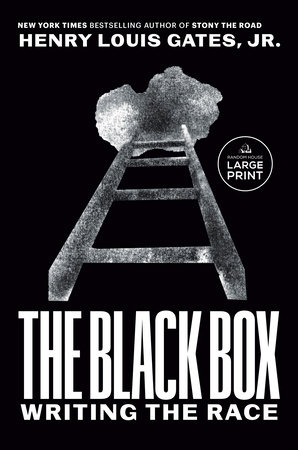
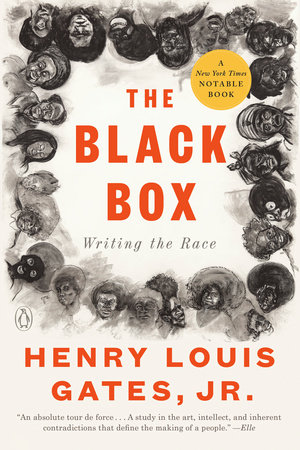
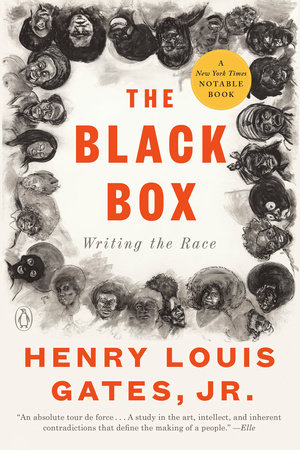
The Black Box
Paperback
$20.00
Published on Mar 18, 2025 | 304 Pages



Author
Henry Louis Gates, Jr.
Henry Louis Gates, Jr., is the Alphonse Fletcher University Professor and Director of the Hutchins Center for African and African American Research at Harvard University. An award-winning filmmaker, literary scholar, and institution builder, Professor Gates has authored numerous books, including most recently Stony the Road: Reconstruction, White Supremacy, and the Rise of Jim Crow and The Black Church, and has created more than twenty documentary films, including his groundbreaking genealogy series Finding Your Roots. His six-part PBS documentary, The African Americans: Many Rivers to Cross, earned an Emmy Award, a Peabody Award, and an NAACP Image Award. This series and his PBS documentary series Reconstruction: America after the Civil War were both honored with the Alfred I. duPont-Columbia University Award. His most recent PBS documentary is Gospel.
Learn More about Henry Louis Gates, Jr. QUICK VIEW
 QUICK VIEW
 QUICK VIEW
 QUICK VIEW
 QUICK VIEW
 QUICK VIEW
 QUICK VIEW
 QUICK VIEW
 QUICK VIEW
 QUICK VIEW