
Reading the Waves Reader’s Guide
By Lidia Yuknavitch



1. Reading the Waves begins, “This is not a hero’s journey, or a traditional memoir, though travel and memory and storytelling are in all these pages.” What did you think of the ways that Lidia Yuknavitch consciously reframed her own trauma? Did her approach make you think differently about your own past?
2. Yuknavitch chose to write vividly about some of her fondest and most disturbing moments. Is this something that you could do in your own life? What would you need to do to think differently to share some of your own stories?
3. Over the course of Reading the Waves, Yuknavitch explores some of her most traumatic memories, including incidents from her childhood that affected the way she handled similar tragedies as an adult. What episode from the book most resonated with you? What episode made you uncomfortable?
4. Reading the Waves is structured unconventionally: section headings don’t follow standard chronological numbering; some sections include interview dialogue, autopsy reports, etc. What effect did these elements have on your reading experience? Why do you think Yuknavitch organized the text the way she did? Did you find it enjoyable? Unsettling?
5. The book’s language shifts: sometimes it’s blunt and informal; other times it’s philosophical and poetic. How did they affect your reading experience?
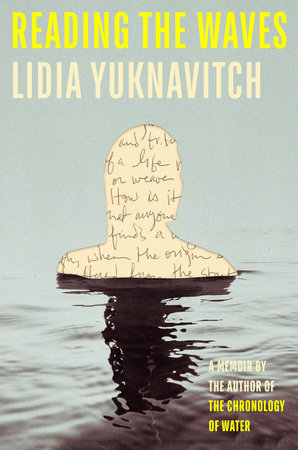
6. Reading the Waves features water both as a theme and as a tool to move through personal experiences. Why do you think the author chose the title? What does “reading the waves” mean to you?
7. This book ends with a series of invitations to the reader: “Become a new creature. Conjure the new myths, new shapes, new voices and bodies.” In what ways has Yuknavitch invited you into her own story? What did you learn from this book that might influence the way you view your own past?