
Best Seller
Loading
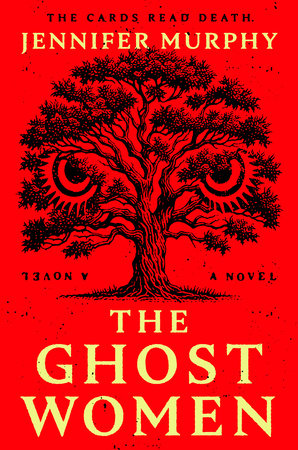
The Ghost Women
Hardcover
$30.00
Published on Feb 24, 2026 | 368 Pages



Author
Jennifer Murphy
Jennifer Murphy holds an MFA in painting from the University of Denver and an MFA in creative writing from the University of Washington. She is the recipient of the 2013 Loren D. Milliman Scholarship for creative writing and was a contributor at the Bread Loaf Writers’ Conference from 2008 through 2012. In 2015, her acclaimed debut novel, I Love You More (Doubleday, 2014), won the prestigious Nancy Pearl Fiction Award. Her love of art led her to start Citi Arts, a public art and urban planning company that has created public art master plans for airports, transit facilities, streetscapes, and cities nationwide. She hails from a small beachfront town in Michigan and has lived in Denver, Charlotte, Seattle, and Charleston. She currently lives in Houston, Texas.
Learn More about Jennifer Murphy QUICK VIEW
 QUICK VIEW
 QUICK VIEW
 QUICK VIEW
 QUICK VIEW
 QUICK VIEW
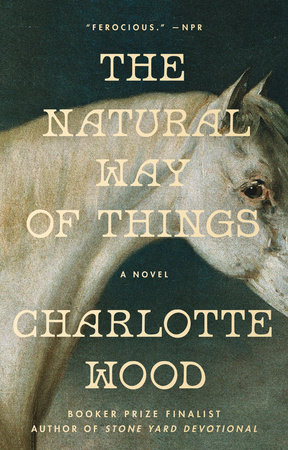 QUICK VIEW
 QUICK VIEW
 QUICK VIEW
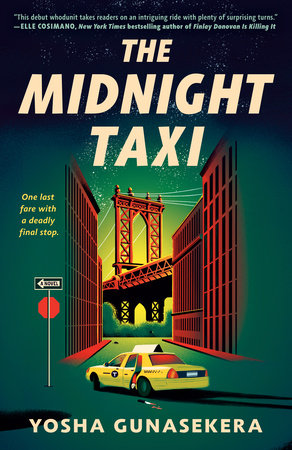 QUICK VIEW