



READERS GUIDE
Questions and Topics for Discussion
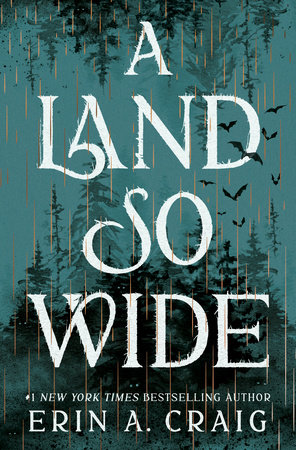
1. How do the time period and setting of A Land So Wide contribute to the story? How would the story change if it took place in the modern day? How would the story change were it not set in such a remote place?
2. The female characters in A Land So Wide—Greer, Louise, Ailie—often find themselves subject to the whims of the men in their lives. How do their individual journeys reflect the restrictions their sex puts on them? How do their journeys upend the narrative that those men would write for them?
3. Romance is often portrayed negatively as a genre for women. In what ways do the romances in A Land So Wide allow Erin A. Craig to let her female characters take control of their stories? In what ways does the genre, in general, allow for a subversion of typical gender roles?
4. The Bright-Eyeds are initially portrayed as monsters in A Land So Wide, but they are later revealed to be much more nuanced and complex. In what ways does the society of the Bright-Eyeds reflect that of Mistaken? Do you empathize with the Bright-Eyeds? Why or why not?
5. Greer is introduced as she is drawing one of her maps, a theme that recurs often throughout A Land So Wide. How do maps function within Greer’s adventure? What symbolism does the drawing of maps play in the story?
6. In what ways are Greer’s and Ailie’s stories different and in what ways are they the same? Do you relate more to Greer or Ailie? How and why?
7. Much of Greer’s story hinges on her discovering secrets—secrets of her own bloodline, of Mistaken’s founding, of the Bright-Eyeds. What do you make of her reaction to each of these reveals? Do you relate to her struggles with coming to terms with hidden truths? Why or why not?
8. The main industry of Mistaken is lumber, and the surrounding area contains mining settlements. Do you think the colonists’ stripping of the land’s natural resources is mirrored in the more fantastical aspects of the story? In what ways?
9. Mistaken represents security, while the world outside the Warding Stones represents danger—but also freedom. How is Greer’s internal dilemma reflected in the conflict between these two ideas?
Suggested Reading
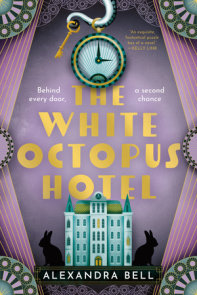
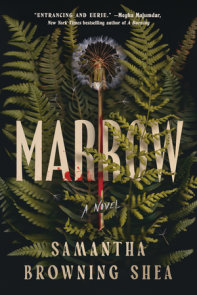
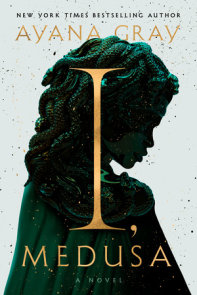
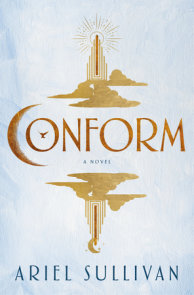
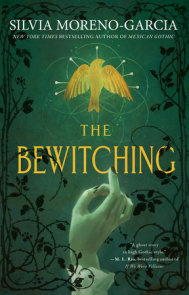
When Women Were Dragons by Kelly BarnhillThe Daughter of Doctor Moreau by Silvia Moreno-Garcia
The Bear and the Nightingale by Katherine Arden
Uprooted by Naomi Novik
The Starless Sea by Erin Morgenstern
Emily Wilde’s Encyclopaedia of Faeries by Heather Fawcett
The Invisible Life of Addie LaRue by V. E. Schwab
A Court of Thorns and Roses by Sarah J. Maas