


READERS GUIDE
Questions and Topics for Discussion
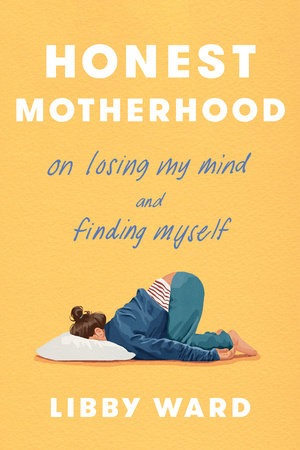
1. Within the first few pages, Libby highlights how parents today are inundated with information while acknowledging “I wouldn’t be where I am and you wouldn’t be reading this book if it weren’t for the self-help industry.” What strikes you about her honesty and transparency from the outset? Have you ever dealt with conflicting advice from self-help books and/or influencers?
2. Libby uses humor and honest, no-nonsense language to tell her story. How did her style resonate withyou as a reader? Which moments in the book made you feel seen, understood, or less alone as a mom?
3. Why do you think Libby worked so hard to please others and put their happiness first at the expenseof her own? Is this an “expected” part of being a mother? In your own experience, where does this stemfrom—social norms, gender roles, childhood?
4. Discuss how Libby becomes aware of her feelings of guilt, loneliness, failure, and the loss of self. Howdoes she learn to reconcile taking care of herself while also caring for her children, family, and home?How do those things align and how are they in conflict?
5. Libby shares how her early perceptions of motherhood were shaped by the subculture of her church.We’re all part of different communities—family, friends, religious groups, or social circles. Whatexpectations about motherhood did you absorb from your circles of influence? Did they change theway you parent or perceive yourself?
6. How does Honest Motherhood highlight the generational impact a mother’s mental health can have onher children? How did Libby’s journey to reparent herself affect how she mothered her children and howshe viewed herself?
7. Libby writes, “I didn’t realize how much I needed my mom to feel like a mom, until I became one.”How has your experience mirrored Libby’s or how has it differed? How has motherhood affected yourrelationship with your parents?
8. Libby shares openly about her support system. What struck you about the various kinds of supportnetworks that she had, didn’t have, or made for herself? What changes have you noticed across thegenerations when it comes to communal care for families?
9. What methods does Libby use to break free from the overwhelming cycle of doing everything and break out of the expected gender roles in caring for family and home? Discuss her progression from recognizing the imbalance in her own partnership to speaking up about it with friends and to eventually building a social following and career from her desire to confront it head on.
10. Because of her upbringing, Libby struggled as a mother to find the healthy line between neglect and overcompensation. As a parent, have you felt a similar tension or have you found it hard to know where the line is? Are there obstacles you faced in your childhood that you worked hard to avoid as a parent?
11. What did Libby learn about the rage, exhaustion, and longing she often felt guilty for feeling? How did accepting those emotions lead her to being a better mother? Where have you had to hold space for two things being true at the same time?
12. How did being diagnosed with ADHD change Libby’s ability to understand herself and her role as a mother? Discuss the impact that receiving a mental health diagnosis can have for a parent.
13. Libby’s relationship with honesty and her desire for it changes throughout the book, moving from the external to an internal need for being true to herself. Why is that? How can a shift like this impact the way we relate to ourselves and those around us?
14. After reading the book, how would you define “honest motherhood”?