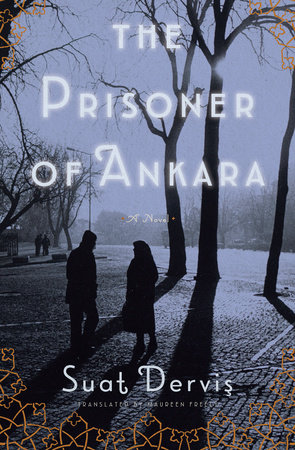
“This slim, stark novel, first published in 1957 and only now translated into English, follows Vasfi, a Turkish man newly released from prison after serving a twelve-year murder sentence…Derviş delivers a bleak story with an inkling of hope at its end.” —The New Yorker
“This meditative novel follows an ex-convict in Ankara as he reflects on his derailed life.” —New York Times Book Review
“Vasfi is vividly portrayed among fellow down-and-outs, similarly alienated from respectable life…a welcome addition to a growing list of twentieth-century Turkish novels garnering belated attention in English.” —Times Literary Supplement
“Set in the aftermath of the Ottoman Empire, The Prisoner of Ankara is a vivid and evocative novel, reminiscent of Dostoevsky, that brings to life the despair of prison and poverty, the sorrow of loving an illusion, and the hope that exists in humanity’s compassion for each other, despite it all.” —Jamila Ahmed, author of Every Rising Sun
“After twelve years in prison, Vasfi finds that his release does not necessarily grant him his freedom. In this timeless novel, Suat Derviş masterfully examines the relationship between freedom and dignity, and the remnants of possibility left for those, alone and abandoned, on the margins of society. Heartbreaking, tender, and threaded through with hope.” —İnci Atrek, author of Holiday Country
Praise for In the Shadow of the Yalı:
“The Madame Bovary of Turkish literature…Although the story is, in many ways, universal, Dervis brilliantly captures the particularities of Turkish society and its struggle with modernity. This rare gem is finally available in English thanks to Maureen Freely’s masterful translation.” —The Guardian, Top 10 Novels about Turkey
“In the Shadow of the Yalı is a rare gem—a romantic character study, a social novel, and a feminist critique on patriarchy and capitalism. Suat Derviş explores the depths of social conditioning, the emptiness of chasing wealth, and the freedoms—imagined or actual—provided by lust and desire.” —Ilana Masad, author of All My Mother’s Lovers







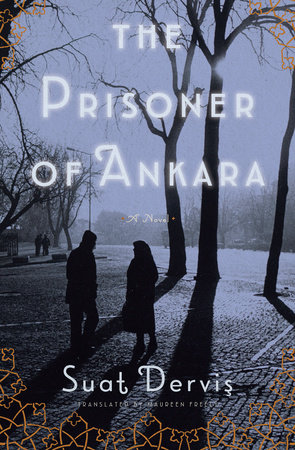
 QUICK VIEW