



READERS GUIDE
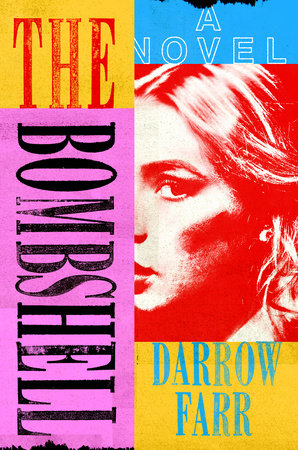
Discussion Questions for The Bombshell1. In the opening of the novel, Séverine thinks to herself, “Sex: such a simple but effective power!” Discuss how the characters, particularly Séverine, use sex in The Bombshell. Do you think, at the end of the summer of 1993, Séverine would agree with her earlier statement? Would Ramona in 2013?
2. Séverine’s image and communiqués are performative on purpose: whether they offend or appeal, they are provocative. But does her desire for fame make them less honest? Discuss the tension between Séverine’s lust for celebrity, her political convictions, and Soffiu di Libertà’s growing influence. Do you see this tension at play in the world around you?
3. Bruno, Tittu, and Petru ultimately build close but very different relationships with Séverine. What does she represent to each of them? How does each relationship serve her?
4. Both Séverine and Tittu talk about the cell as a family. Describe the cell’s familial dynamics and how this family compares to what Séverine has with her parents, or what Ramona has with Petra.
5. Lydia Kadiri is the only woman Séverine interacts with all summer, and Lydia has a very different strategy for liberation than that of Soffiu di Libertà or her brothers. Discuss these differences and the effectiveness of each approach. What is Séverine’s perspective on Lydia, and how does this change over the years?
6. When their plan falls apart after killing Jonnart, Séverine screams, “I don’t give a shit about Corsica!” and Petru asks quietly, “You mean that?” Do you think Séverine does mean it in that moment? Do you think she ever cared for the island’s people and their liberation?
7. In her last communiqué, Séverine says, “If someone’s hurting the people you love, and you hurt that person back, that’s an act of love. It’s not destructive if you’re trying to make a better world.” Why do you think she chooses this as her final message? Discuss what these words might mean to the people of the island, to her parents, to Bruno, and to herself.
8. Petru dies keeping Séverine safe, and she names her daughter after him, “a quiet revolution.” Do you think Petru would have understood the decisions Séverine made after she left? Did you expect Séverine to return to her bourgeois lifestyle?
9. Ramona calls Petra’s ex-boyfriend a poseur, mocking his methods as “wearing a leather jacket and being rude to rich people.” Do you think she considers herself a former poseur or a real revolutionary? How would you define her?
10. Ramona’s secret past silently defined her dynamic with Petra for twenty years. Discuss how sharing Séverine’s story changes their relationship with each other and impacts each woman’s relationship with herself.
11. Séverine feels that her relationship with Bruno was the romance of a lifetime, but Petra has a hard time believing that her mother wasn’t sexually coerced. How do you read Séverine and Bruno’s relationship, and how do their differences in age, privilege, knowledge, and power play into it?
12. The theme of inheritance comes up repeatedly in the novel. What ideas, experiences, and privileges have these characters inherited from their parents, and how do these inheritances shape their goals and values? Think about Séverine, Tittu, Petru, Bruno, and Petra.
13. Ramona and Bruno tell each other they’ve matured, and both think about the summer of 1993 as driven by their youth and impulsivity. But when they get the chance, they return to “their worst judgment” and “their old habits.” Did growing up and spending decades apart change them, or are they the same people they have always been?