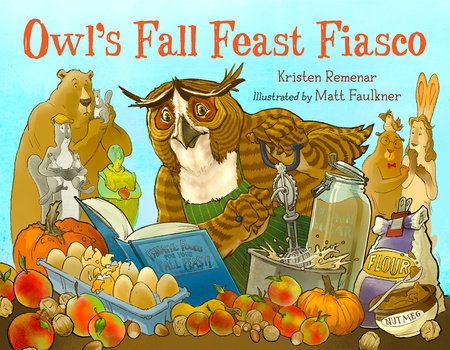
Just as he’s planning a fall feast for a special guest, Australian didgeridoo player Platypus, Owl learns that his friends have never expressed that they don’t like his meals and have unspoken food preferences. The menu needs to be perfect, but now with Owl’s fears exacerbated by the not-so-good news about his self-proclaimed, perfect dishes, will the talented Platypus and Owl’s friends have a fiasco? Remenar depicts animals as relatable characters conveying human behavior, which provides readers with an alternate perspective on conduct in complex social settings. Faulkner’s use of anthropomorphic characterization adds quality to the visualization and tone of the text. Despite the fact that the story features a didgeridoo player, Aboriginal culture and values are not depicted. The story shows its audience that perspectives from others can help them recognize their own behaviors, and that they can reframe displeasure by learning to offer constructive criticism in social settings and personal relationships. It teaches young readers the value of using direct communication, making observations, and avoiding broad assumptions, and can serve well as a library or classroom staple to help children develop a moral compass to guide them in making thoughtful decisions. VERDICT A warm title for young readers about honest and effective communication, friendship, and the understanding that differences are worth celebrating.
—School Library Journal
An aim to please isn’t enough when preconceptions rule.
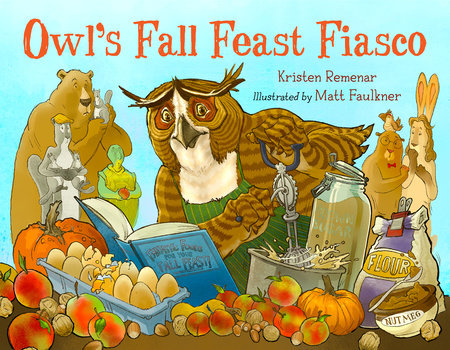
Owl, a somewhat pompous old-guard avian gentleman given to phrases such as “egads” and “my good man,” holds an annual autumn banquet for his animal friends. (All are anthropomorphized, recognizable from two previous books, and, on a non-naturalistic scale, almost all are the same size.) Famous didgeridoo player Platypus unexpectedly accepts a dinner invitation, putting fanboy Owl in a dither: What to serve? Reasoning that “Platypus is a bit like a reptile, but also a bit like a bird, and also a bit like a mammal,” Owl makes several assumptions about what the guest of honor would like, asking his friends for confirmation. Surely Platypus will enjoy beetles added to the cricket chutney (“for extra crunch”)? And certainly milk—something all mammals drink—should be on the menu? Owl’s friends gently disabuse him of his notions—and point out that they haven’t exactly been enjoying the food he’s been serving up. Bear proposes asking Platypus what he wants, but Owl prefers to dictate the menu; ultimately, a shortage of side dishes prompts a potluck and a sensible resolution. Rendered in an autumnal palette, the colorful illustrations are amusing and accomplished, the plot brisk enough, and the point obvious but worth making. Owl’s problems are self-created: perfectionism, an inability to accept help, and untested beliefs.
A clever tale of a know-it-all who at last learns to listen.
—Kirkus Reviews






 QUICK VIEW