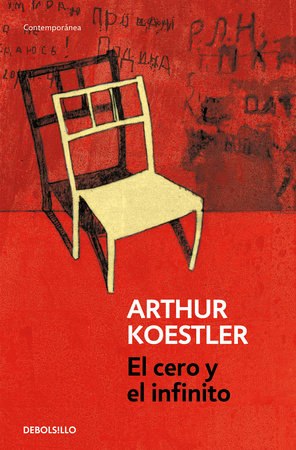
El cero y el infinito da a conocer las confesiones que los viejos bolcheviques se vieron forzados a hacer en los Juicios de Moscú.
Durante las purgas estalinistas, el viejo revolucionario Nicolás Rubachof es encarcelado y sometido a tortura psicológica por el partido al que ha dedicado toda su vida. La presión que el régimen ejerce sobre él terminará por mostrarle la ironía y la vileza de una dictadura que secree instrumento de liberación. Publicada originalmente en 1941, El cero y el infinito es la obra maestra de Arthur Koestler, un retrato estremecedor del totalitarismo y sus mecanismos de destrucción moral.
“Koestler nos legó una obra que por siempre resultará atractiva y estimulante a quienes admiren a los hombres de principios o disfruten sin más de las batallas de ideas.” – Christopher Hitchens
ENGLISH DESCRIPTION
The discovered lost text of Arthur Koestler’s modern masterpiece, Darkness at Noon—the haunting portrait of a revolutionary, imprisoned and tortured under totalitarian rule—is now restored and in a completely new translation.
In print continually since 1941, Darkness at Noon has been translated into over 30 languages and is both a stirring novel and a classic anti-fascist text. What makes its popularity and tenacity even more remarkable is that all existing versions of Darkness at Noon are based on a hastily made English translation of the original German by a novice translator at the outbreak of World War II.
Set in the 1930s at the height of the purge and show trials of a Stalinist Moscow, Darkness at Noon is a haunting portrait of an aging revolutionary, Nicholas Rubashov, who is imprisoned, tortured, and forced through a series of hearings by the Party to which he has dedicated his life. As the pressure to confess preposterous crimes increases, he re-lives a career that embodies the terrible ironies and betrayals of a merciless totalitarian movement masking itself as an instrument of deliverance.
Koestler’s portrayal of Stalin-era totalitarianism and fascism is as chilling and resonant today as it was in the 1940s and during the Cold War. Rubashov’s plight explores the meaning and value of moral choices, the attractions and dangers of idealism, and the corrosiveness of political corruption.
Like The Trial, 1984, and Animal Farm, this is a book you should read as a citizen of the world, wherever you are and wherever you come from.






 QUICK VIEW