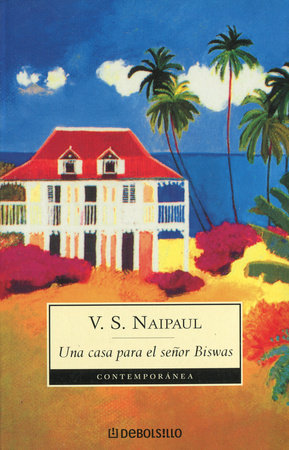
Considerada la obra más significativa del Premio Nobel de Literatura V.S. Naipaul, esta novela retrata la imposibilidad de los inmigrantes de integrarse en una cultura colonial y seguir manteniendo sus raíces.
Naipaul nos ofrece la historia de un hombre educado para pandit en su pequeña comunidad de Trinidad, pero que no atendió esta llamada y acabó por aprender el oficio de periodista, que al final fue incapaz de mantener. Pierde su empleo. Su vocación aparece y desaparece sin llegar a hacerse realidad. Tiene tendencia a ataques de letargia, a apoyarse en la fortaleza de los demás, a expresar su humillación con una conducta arisca.
Pero su resentimiento colonial persiste, su deseo de algo más, de una casa, de una historia. No deja de luchar contra el abyecto abrazo de la familia de su mujer. Adquiere casas: casas desvencijadas, insatisfactorias, mal construidas. Pero son suyas, y en ellas es, si bien temporalmente, inexpugnable.
ENGLISH DESCRIPTION
From the Nobel Prize-winning author: an unforgettable comedy of manners inspired by the author’s father that has been hailed as one of the twentieth century’s finest novels.
“A marvelous prose epic that matches the best nineteenth-century novels for richness of comic insight and final, tragic power.” —Newsweek
In his forty-six short years, Mr. Mohun Biswas has been fighting against destiny to achieve some semblance of independence, only to face a lifetime of calamity. Shuttled from one residence to another after the drowning death of his father, for which he is inadvertently responsible, Mr. Biswas yearns for a place he can call home. But when he marries into the domineering Tulsi family on whom he indignantly becomes dependent, Mr. Biswas embarks on an arduous—and endless—struggle to weaken their hold over him and purchase a house of his own.
A heartrending, dark yet comedic novel, A House for Mr. Biswas masterfully evokes a man’s quest for autonomy against an emblematic post-colonial canvas.







 QUICK VIEW