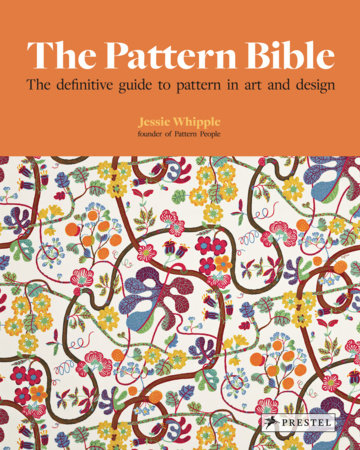
A fascinating blend of cultural criticism and design insight, this book shows how patterns—from chintz and batik to African wax prints—communicate status, politics, and pleasure.
This compelling exploration uncovers the layered pasts of the world’s most iconic patterns, framing them as visual languages that have shaped commerce, expressed social hierarchy, and circulated across continents for centuries.
From the intricate paisleys of India to the geometric motifs of the Middle East and the floral traditions of East Asia, these designs carry meanings that extend far beyond ornament. Organized by key themes—including tropicals, geometrics, abstracts, regional designs, and conversationals—this book helps readers discover how patterns change through migration, exchange, and cultural contact along historic trade routes, moving from small-scale ditzy florals developed for everyday wear to bold symbolic designs that function as shared codes within communities.
Drawing on extensive experience in design, Jessie Whipple brings historical research into dialogue with contemporary practice, illuminating how patterns operate creatively and commercially across fashion, interiors, and visual culture.
Supported by approximately 300 color images drawn from museum collections, fashion runways, and historic textiles, the book offers a richly layered resource—part reference, part visual archive—that reveals how pattern reflects human creativity, trade, cultural movement, and exchange across centuries.







 QUICK VIEW