NUEVA EDICIÓN
«Alejandro Gertz Manero no está acostumbrado a que se le cuestione ni critique en sus encargos públicos. Su personalidad no es la de un negociador. Es un hombre que tiene un extraño gusto por el ejercicio del poder.»
Durante el sexenio de Andrés Manuel López Obrador, no se logró revertir la tendencia al alza de los índices de impunidad. Como justificante de ello, oficialmente se acusó a la inercia del estado de descomposición social heredado de las dos anteriores administraciones federales, sin embargo, nunca se prestó atención ni se señaló la escasa actuación de la Fiscalía General de la República (FGR), que es el primer órgano procurador de justicia.
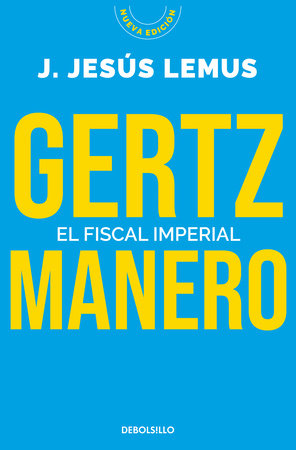
En esta sólida investigación periodística, J. Jesús Lemus señala que el fiscal general de la República, Alejandro Gertz Manero, se ha dedicado desde sus inicios, cuando comenzó a trabajar como inspector y abogado al servicio del Estado, a proteger a sus amistades e intereses personales. Y que como titular de la fiscalía ha seguido haciendo lo que mejor sabe hacer: servir a la clase privilegiada a la que pertenece y mantenerse esquivo a la hora de rendir cuentas. Este libro busca desentrañar las razones por las que hoy la FGR y su titular continúan con la tendencia de impunidad marcada desde el pasado.
ENGLISH DESCRIPTION
NEW EDITION
“Alejandro Gertz Manero is not accustomed to being questioned or criticized in his public commissions. His personality is not that of a negotiator. He is a man with a peculiar taste for the exercise of power.”
During the administration of Andrés Manuel López Obrador, the upward trend in impunity rates could not be reversed. Officially, this was blamed on the inertia of social decay inherited from the two previous administrations. However, little attention was given to the limited action—or inaction—of the Office of the Attorney General (FGR), the nation’s primary institution for the pursuit of justice.
In this thorough work of investigative journalism, J. Jesús Lemus argues that Alejandro Gertz Manero, Mexico’s attorney general, has devoted his career—from his beginnings as inspector and lawyer serving the State—to protecting his friends and personal interests. As the head of the FGR, he has continued to do what he knows best: serve the privileged class to which he belongs while evading accountability. This book seeks to uncover the reasons why both the FGR and its director remain mired in an inherited pattern of persistent impunity.







 QUICK VIEW