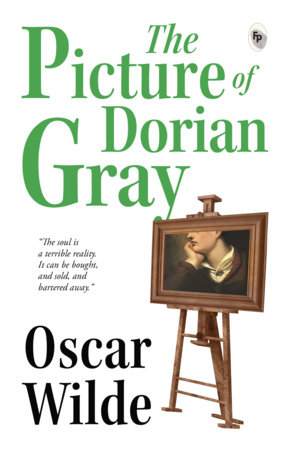
The Picture of Dorian Gray by Oscar Wilde is a haunting masterpiece of
Gothic fiction, psychological drama, and classic literature. The novel follows Dorian Gray, a remarkably handsome young man whose portrait is painted by the artist Basil Hallward. Captivated by his own beauty and influenced by the charismatic Lord Henry Wotton, Dorian becomes consumed by the desire to remain forever young.
When Dorian wishes that his
portrait would age in his place, the impossible becomes reality. While his outward appearance remains untouched by time, the painting begins to reveal the consequences of his choices. As Dorian pursues pleasure, temptation, and increasingly destructive behavior, the portrait becomes a disturbing reflection of his changing soul.
Through Dorian’s transformation,
Oscar Wilde explores profound questions about
beauty, vanity, morality, corruption, conscience, influence, and the pursuit of pleasure. Blending sharp wit with dark psychological tension, the novel examines the conflict between outward appearances and inner character while questioning the price of living without responsibility or restraint.
A landmark of
Victorian literature and Gothic fiction,
The Picture of Dorian Gray continues to fascinate readers with its memorable characters, philosophical ideas, and unsettling atmosphere. Ideal for readers of
classic novels, dark academia, psychological fiction, Gothic literature, and Oscar Wilde, it remains a compelling exploration of identity, desire, and the consequences of unchecked indulgence.
Why should readers pick this book?- A Gothic Literary Classic: Experience Oscar Wilde’s celebrated novel combining psychological suspense, dark philosophy, social commentary, and Gothic atmosphere.
- A Story of Beauty & Corruption: Follow Dorian Gray as his pursuit of eternal youth, pleasure, and appearances leads him toward moral and psychological decline.
- For Classic Literature Readers: Ideal for fans of Victorian fiction, Gothic novels, dark academia, philosophical fiction, and psychological classics.
Key Themes- Beauty, Vanity & Appearance: Explore society’s fascination with youth and physical beauty, and the tension between outward appearance and inner reality.
- Morality, Conscience & Corruption: Examine the consequences of choices, temptation, guilt, and the gradual erosion of personal integrity.
- Influence, Pleasure & Identity: Discover how social influence, hedonism, desire, and self-perception shape Dorian’s transformation and understanding of himself.