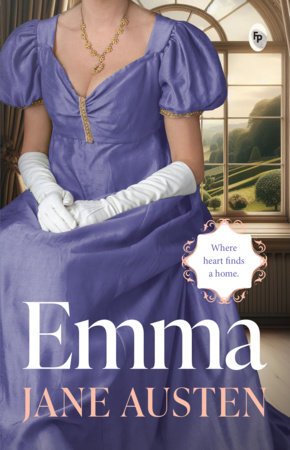
Emma by
Jane Austen is a beloved work of
classic English literature and Regency romance that blends wit, social observation, and romantic misadventure. The novel follows Emma Woodhouse, a clever and confident young woman who takes great interest in arranging the love lives of those around her, often with unexpected and amusing consequences.
As Emma’s matchmaking plans begin to unravel, she is forced to confront her own assumptions, misunderstandings, and blind spots. Through friendships, romantic complications, and social expectations, Austen explores
love, marriage, class, self-awareness, and personal growth with sharp humor and emotional insight.
Rich in
social satire, romantic comedy, character development, and witty dialogue,
Emma examines how pride, perception, and good intentions can shape relationships in surprising ways. The novel’s memorable characters and elegant storytelling make it both entertaining and deeply reflective.
Charming, intelligent, and timeless,
Emma remains one of Jane Austen’s most celebrated
classic romance novels. Its blend of humor, romance, and self-discovery makes it ideal for readers interested in Regency fiction, literary classics, social commentary, and character-driven stories of love and growth.
Why should readers pick this book?- A Timeless Jane Austen Classic: Enjoy a witty and engaging story of matchmaking, misunderstanding, romance, and self-discovery.
- Memorable Characters & Sharp Humor: Follow Emma Woodhouse through social missteps, unexpected revelations, and lessons about love and judgment.
- Perfect for Classic Romance Readers: Ideal for fans of Jane Austen, Regency fiction, literary romance, social satire, and character-driven classics.
Key Themes- Love & Matchmaking: Explore romance, courtship, and the complications that arise when one person tries to direct the happiness of others.
- Self-Discovery & Personal Growth: Follow Emma as she learns to recognize her mistakes, question her assumptions, and better understand herself.
- Class, Society & Perception: Reflect on social status, manners, reputation, and the gap between how people appear and who they truly are.