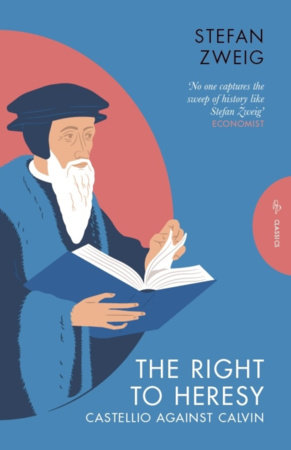
Telling a gripping story of resistance to oppression, Zweig frames 16th-century theologian Sebastian Castellio’s feud with John Calvin as a timeless warning to readers about the dangers of dictatorial power.
“The first modern man who fought the good fight for humanity’s right to think its own thoughts and to say them.” —New York Times
Though all but forgotten today, Sebastian Castellio’s passionate protest against the terror of heresy hunting in 16th-century Geneva marks him as one of the first modern fighters for intellectual freedom. Stefan Zweig recognized the strong parallels between Castellio’s situation and his own when Zwieg himself fled the rise of Nazism in 1936. In this original biography, Zweig rescues the little-known theologian from history in a bold and compelling parable against the acceptance of abusive authority.
Castellio faced a world gripped by fanaticism and raging ideologies of violence. Yet while many free-thinking humanists too often foresaw—and failed to protest—the disasters draconian leaders would bring upon Europe, Castellio chose to condemn the burning of ‘heretics’ as murder and advocated for religious tolerance, at great personal cost. Zweig details how Castellio’s writing against Calvin was supported by no one publically, resulting in him living a life of poverty and danger.
A gripping account from one of the 20th century’s most celebrated writers, The Right to Heresy is the story of Castellio’s feud with Calvinist doctrine, offering timely commentary on abusive power. Through clear and incisive writing, Zweig captures an urgent polemic on individual sacrifices made, throughout history, in resistance to authoritarianism.