«Uno de los libros más fascinantes y llenos de innovación que he leído nunca. Lo último que se pierde es un libro que habla de heroísmo, valentía y amor propio. Cada historia es un paso más hacia delante. Alan Weisman ha escrito el libro que necesitamos para seguir luchando por nuestro lugar en la Tierra».
Louise Erdrich, ganadora del Premio Pulitzer por El vigilante nocturno.
En un mundo que sufre una crisis climática galopante, a menudo no se presta la suficiente atención a todas aquellas personas que, cada una a su manera, mantienen una lucha continua contra los peores designios y nos ofrecen un optimismo iluminador. Durante diez años, Alan Weisman ha viajado por todo el planeta siendo testigo de los mayores estragos del cambio climático y ha visitado zonas devastadas o que soportan día a día situaciones extremas.
Desde Estados Unidos hasta Irak o Corea del Sur, Weisman da voz en este libro a los ingenieros, científicos, ecologistas, economistas, artistas o incluso chefs como Ángel León que oponen resistencia y nos devuelven un soplo de esperanza desde el centro mismo de la devastación a base de innovación y creatividad.
En El mundo sin nosotros, Alan Weisman exploraba de forma brillante la posibilidad de un planeta sin seres humanos. En un momento donde el experimento mental que él mismo planteó parece cada vez más posible, nos trae, en esta ocasión, la esperanza en un futuro alternativo y, al mismo tiempo, un remedio para la ansiedad climática que se extiende en la actualidad.
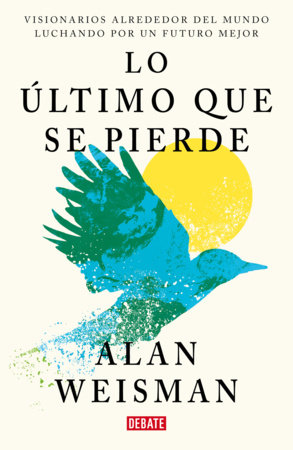
En definitiva, Lo último que se pierde es un maravilloso libro para querer habitar todavía el mundo y aceptarlo como el hogar que es.
ENGLISH DESCRIPTION
The award-winning environmental journalist’s extraordinary, long-awaited portrait of hope and resilience as we face a fractured and uncertain future.
In this profoundly human and moving narrative, the bestselling author of The World Without Us returns with a book ten years in the making: a study of what it means to be a human on the front lines of our planet’s existential crisis. His new book, Hope Dies Last, is a literary evocation of our current predicament and the core resolve of our species against the most precarious odds we have ever faced.
To write this book, Weisman traveled the globe, witnessing climate upheaval and other devastations, and meeting the people striving to mitigate and undo our past transgressions. From the flooding Marshall Islands to revived wetlands in Iraq, from the Netherlands and Bangladesh to the Korean DMZ and to cities and coastlines in the U.S. and around the world, he has encountered the best of humanity battling heat, hunger, rising tides, and imperiled nature. He profiles the innovations of big thinkers—engineers, scientists, conservationists, economists, architects, and artists—as they conjure wildly creative, imaginative responses to an uncertain, ominous future.
At this unprecedented point in history, as our collective exploits on this planet may lead to our own undoing and we could be among the species marching toward extinction, they refuse to accept defeat.
Hope Dies Last fills a crucial gap in the global conversation: Having reached a point of no return in our climate confrontation, how do we feel, behave, act, plan, and dream as we approach a future decidedly different from what we had expected?