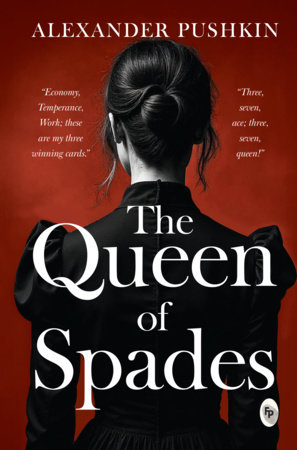

This masterpiece is a chilling blend of psychological realism and supernatural suspense, portraying the destructive power of obsession and greed through the lens of a high-stakes gambling tale that fundamentally shaped the trajectory of Great Russian literature.
Alexander Pushkin’s The Queen of Spades is a chilling masterpiece of Russian prose that expertly bridges the gap between psychological realism and the supernatural. Set within the rigid, high-stakes world of St. Petersburg’s aristocracy, the story follows Hermann, a cold and calculating officer whose obsession with a legendary gambling secret leads to his ultimate undoing. Pushkin utilizes a lean, ironic style to dissect the corrosive nature of greed, portraying a man willing to manipulate the living and haunt the dead to secure a “sure bet.” As the narrative descends into a gothic fever dream of ghosts and madness, it serves as both a biting social satire and a cautionary tale regarding the fragility of the human mind. This novella remains a foundational text, setting the stage for the psychological depth of later Russian giants, Dostoevsky and Tolstoy.