

Best Seller
Ebook
Published on Nov 01, 2000 | 288 Pages
Selected by the Modern Library as one of the 100 best novels of all time
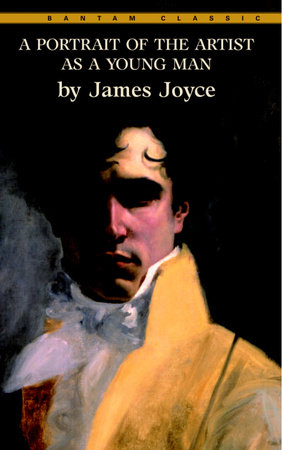
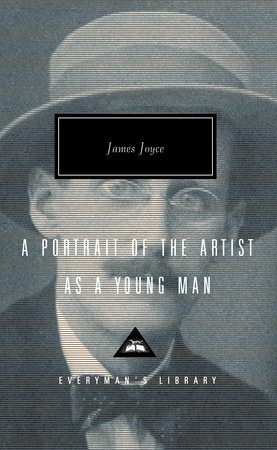
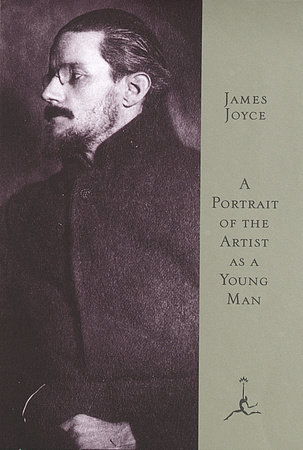
Published in 1916, James Joyce’s semiautobiographical tale of his alter ego, Stephen Dedalus, is a coming-of-age story like no other. A bold, innovative experiment with both language and structure, the work has exerted a lasting influence on the contemporary novel.
‘Joyce dissolved mechanism in literature as effectively as Einstein destroyed it in physics,’ wrote Alfred Kazin. ‘He showed that the material of fiction could rest upon as tense a distribution and as delicate a balance of its parts as any poem. Joyce’s passion for form, in fact, is the secret of his progress as a novelist. He sought to bring the largest possible quantity of human life under the discipline of the observing mind, and the mark of his success is that he gave an epic form to what remains invisible to most novelists…. Joyce means many things to different people; for me his importance has always been primarily a moral one. He was, perhaps, the last man in Europe who wrote as if art were worth a human life…. By living for his art he may yet have given others a belief in art worth living for.’
Published in 1916, James Joyce’s semiautobiographical tale of his alter ego, Stephen Dedalus, is a coming-of-age story like no other. A bold, innovative experiment with both language and structure, the work has exerted a lasting influence on the contemporary novel.
‘Joyce dissolved mechanism in literature as effectively as Einstein destroyed it in physics,’ wrote Alfred Kazin. ‘He showed that the material of fiction could rest upon as tense a distribution and as delicate a balance of its parts as any poem. Joyce’s passion for form, in fact, is the secret of his progress as a novelist. He sought to bring the largest possible quantity of human life under the discipline of the observing mind, and the mark of his success is that he gave an epic form to what remains invisible to most novelists…. Joyce means many things to different people; for me his importance has always been primarily a moral one. He was, perhaps, the last man in Europe who wrote as if art were worth a human life…. By living for his art he may yet have given others a belief in art worth living for.’
Author
James Joyce
James Joyce, the twentieth century’s most influential novelist, was born in Dublin in 1882. At twenty years old, Joyce renounced his Catholicism and left Dublin to spend most of his life as a writer in exile in Paris, Trieste, Rome, and Zurich. His writings include Chamber Music, Dubliners, A Portrait of the Artist as a Young Man, Exiles, Ulysses, Pomes Penyeach, and Finnegans Wake. Ulysses required seven years to complete and Finnegans Wake took seventeen. Both works revolutionized the form, structure, and content of the novel. Joyce died in Zurich in 1941.
Learn More about James Joyce