OBRA PERIODÍSTICA Series : Titles in Order
Book 3
- Available formats:
- Paperback (1)
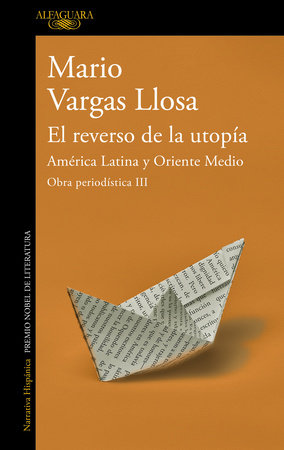
«Que, entendidas en términos extremos, la libertad y la igualdad sean opciones alérgicas la una a la otra no puede querer decir que estemos condenados a la injusticia. Sino, más sencillamente, que hay que renunciar a las utopías, a las opciones extremas».
Firme defensor de ideales como la libertad y la democracia, durante más de cinco décadas Mario Vargas Llosa ha reflexionado en su obra literaria y en sus textos periodísticos sobre los problemas que conlleva la utopía política. Las piezas reunidas en este volumen colocan en el foco tres contextos que el autor conoce de primera mano.
«A pesar de que América Latina, Israel e Irak son lugares distantes, con historias culturales y políticas difícilmente equiparables, no es tan difícil encontrar un hilo invisible que los une. […] Aquel periodo de tranquilidad ideológica que parecía haber llegado con la caída del comunismo demostró ser una ilusión. La historia seguía viva, más que nunca. El radicalismo islámico, el nacionalismo y el populismo no han dejado en estos años de ser amenazas serias para la libertad y la democracia. Estos ideales se han alejado un poco más, lamentablemente. América Latina no se convirtió en un oasis purgado de todos los vicios modernos, ni en la región donde surgiría un socialismo humanista y libertario. Al contrario, ha sido la política del resto de Occidente la que ha terminado pareciéndose a la latinoamericana: los demonios incubados en el reverso de la utopía —el fanatismo, el nacionalismo, el odio sectario, el populismo— andan sueltos, y ahora acechan a la humanidad entera». — Del prólogo de Carlos Granés
ENGLISH DESCRIPTION
“That freedom and equality as options, understood in extreme terms, are allergic to one another cannot mean that we are doomed to injustice. But more plainly, that we must renounce utopias, extreme options.”
Firm defender of such ideals as freedom and democracy for over five decades, Mario Vargas Llosa has reflected in his literary and journalistic works on the problems that political utopias entail. The pieces gathered in this volume turn the spotlight to three contexts the author knows first hand.
“Even though Latin America, Israel, and Iraq are distant places, with cultural and political histories that are hardly equivalent, it is not so difficult to find an invisible thread binding them… That period of ideological tranquility that seemed to have arrived with the end of communism proved to be an illusion. History was still alive, more than ever. Islamic radicalism, nationalism, and populism have not stop being serious threats to freedom and democracy this past few years. These ideals have drifted further away, unfortunately. Latin America did not become an oasis purged of all modern vice, nor in the region where a humanist and libertarian socialism could arise. On the contrary, politics from the rest of the Western world ended up resembling the Latin-American: the demons incubated at the reverse of this utopia—fanatism, nationalism, sectarian hatred, populism—are on the loose, and now threaten humanity at large.” —From the prologue, by Carlos Granés
Firme defensor de ideales como la libertad y la democracia, durante más de cinco décadas Mario Vargas Llosa ha reflexionado en su obra literaria y en sus textos periodísticos sobre los problemas que conlleva la utopía política. Las piezas reunidas en este volumen colocan en el foco tres contextos que el autor conoce de primera mano.
«A pesar de que América Latina, Israel e Irak son lugares distantes, con historias culturales y políticas difícilmente equiparables, no es tan difícil encontrar un hilo invisible que los une. […] Aquel periodo de tranquilidad ideológica que parecía haber llegado con la caída del comunismo demostró ser una ilusión. La historia seguía viva, más que nunca. El radicalismo islámico, el nacionalismo y el populismo no han dejado en estos años de ser amenazas serias para la libertad y la democracia. Estos ideales se han alejado un poco más, lamentablemente. América Latina no se convirtió en un oasis purgado de todos los vicios modernos, ni en la región donde surgiría un socialismo humanista y libertario. Al contrario, ha sido la política del resto de Occidente la que ha terminado pareciéndose a la latinoamericana: los demonios incubados en el reverso de la utopía —el fanatismo, el nacionalismo, el odio sectario, el populismo— andan sueltos, y ahora acechan a la humanidad entera». — Del prólogo de Carlos Granés
ENGLISH DESCRIPTION
“That freedom and equality as options, understood in extreme terms, are allergic to one another cannot mean that we are doomed to injustice. But more plainly, that we must renounce utopias, extreme options.”
Firm defender of such ideals as freedom and democracy for over five decades, Mario Vargas Llosa has reflected in his literary and journalistic works on the problems that political utopias entail. The pieces gathered in this volume turn the spotlight to three contexts the author knows first hand.
“Even though Latin America, Israel, and Iraq are distant places, with cultural and political histories that are hardly equivalent, it is not so difficult to find an invisible thread binding them… That period of ideological tranquility that seemed to have arrived with the end of communism proved to be an illusion. History was still alive, more than ever. Islamic radicalism, nationalism, and populism have not stop being serious threats to freedom and democracy this past few years. These ideals have drifted further away, unfortunately. Latin America did not become an oasis purged of all modern vice, nor in the region where a humanist and libertarian socialism could arise. On the contrary, politics from the rest of the Western world ended up resembling the Latin-American: the demons incubated at the reverse of this utopia—fanatism, nationalism, sectarian hatred, populism—are on the loose, and now threaten humanity at large.” —From the prologue, by Carlos Granés
Book 2
- Available formats:
- Paperback (1)
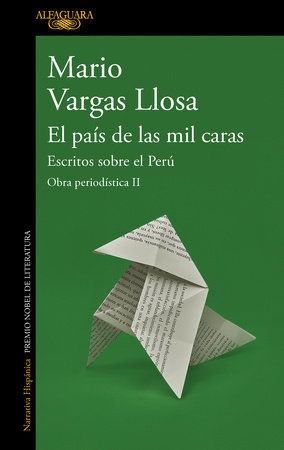
«El Perú es para mí una especie de enfermedad incurable y mi relación con él es intensa, áspera, llena de la violencia que caracteriza a la pasión».
Las más de cinco décadas durante las que se ha desarrollado la labor periodística de Mario Vargas Llosa están jalonadas de textos imprescindibles sobre la cultura, la política, la historia y la realidad social de Perú cuya lectura en este volumen revela al lector la profunda vinculación del Premio Nobel de Literatura con su país natal.
«Éste es el Perú de Mario Vargas Llosa, el que recorrió, vivió y vio evolucionar social, cultural y políticamente. El país en el que se inspiró para escribir sus novelas, el que incubó sus demonios literarios y el que despertó su inconformismo y su curiosidad intelectual. Éste es el Perú en el que proyectó sus ilusiones y con el que se enfrascó en más de una escaramuza; la sociedad que quiso transformar desde la acción política y que finalmente ayudó a moldear desde el debate público. Si como novelista Vargas Llosa logró fijar una imagen del Perú que hoy es mundialmente reconocida —una imagen ficticia, mítica, que sin embargo resume de manera fiel los conflictos, dilemas, frustraciones y anhelos de la vida peruana—, como intelectual logró contagiar a la sociedad con sus preocupaciones, ideas, gustos y valores. No es exagerado decir que la conversación publica en el Perú actual es la que es, en gran medida, porque a lo largo del último medio siglo Vargas Llosa ha publicado determinados artículos y determinados ensayos, y porque con ellos logró abrir debates económicos, morales, ideológicos y estéticos de enorme impacto en los distintos ámbitos de la vida peruana».
Del prólogo de Carlos Granés
ENGLISH DESCRIPTION
“Peru is to me a sort of incurable disease, and my relationship with it is intense, rough, full of the characteristic violence in passion.”
The more than five decades during which Mario Vargas Llosa’s journalistic work has been developing are dotted by essential works on culture, politics, history, and Peru’s social reality, and in this volume, he reveals to the reader the deep bond the Nobel Prize winner has with his native country.
“This is Mario Vargas Llosa’s Peru, the one he traveled, lived, and watched evolve socially, culturally, and politically. The country that inspired him to write his novels, the one that incubated his literary demons, and the one that sparked his nonconformity and his intellectual curiosity. This is the Peru where Vargas Llosa cast his illusions, and the one he skirmished with more than once; the society he wanted to transform through political action and which he finally got to mold through public debate. If, as a novelist, Vargas Llosa managed to set an image of Peru today that is known worldwide—a fictitious, mythical image, that nevertheless faithfully summarizes the conflicts, dilemmas, frustrations, and yearnings of Peruvian life—as an intellectual he managed to spread his concerns, ideas, tastes, and values through society. It is no exaggeration to say that public dialogue in current Peru largely is what it is because Vargas Llosa has been publishing certain articles and certain essays for the last half a century, and because through them he managed to open financial, moral, ideological, and artistic debates of great impact in the different spheres of Peruvian life.”

From the prologue by Carlos Granés.
Las más de cinco décadas durante las que se ha desarrollado la labor periodística de Mario Vargas Llosa están jalonadas de textos imprescindibles sobre la cultura, la política, la historia y la realidad social de Perú cuya lectura en este volumen revela al lector la profunda vinculación del Premio Nobel de Literatura con su país natal.
«Éste es el Perú de Mario Vargas Llosa, el que recorrió, vivió y vio evolucionar social, cultural y políticamente. El país en el que se inspiró para escribir sus novelas, el que incubó sus demonios literarios y el que despertó su inconformismo y su curiosidad intelectual. Éste es el Perú en el que proyectó sus ilusiones y con el que se enfrascó en más de una escaramuza; la sociedad que quiso transformar desde la acción política y que finalmente ayudó a moldear desde el debate público. Si como novelista Vargas Llosa logró fijar una imagen del Perú que hoy es mundialmente reconocida —una imagen ficticia, mítica, que sin embargo resume de manera fiel los conflictos, dilemas, frustraciones y anhelos de la vida peruana—, como intelectual logró contagiar a la sociedad con sus preocupaciones, ideas, gustos y valores. No es exagerado decir que la conversación publica en el Perú actual es la que es, en gran medida, porque a lo largo del último medio siglo Vargas Llosa ha publicado determinados artículos y determinados ensayos, y porque con ellos logró abrir debates económicos, morales, ideológicos y estéticos de enorme impacto en los distintos ámbitos de la vida peruana».
Del prólogo de Carlos Granés
ENGLISH DESCRIPTION
“Peru is to me a sort of incurable disease, and my relationship with it is intense, rough, full of the characteristic violence in passion.”
The more than five decades during which Mario Vargas Llosa’s journalistic work has been developing are dotted by essential works on culture, politics, history, and Peru’s social reality, and in this volume, he reveals to the reader the deep bond the Nobel Prize winner has with his native country.
“This is Mario Vargas Llosa’s Peru, the one he traveled, lived, and watched evolve socially, culturally, and politically. The country that inspired him to write his novels, the one that incubated his literary demons, and the one that sparked his nonconformity and his intellectual curiosity. This is the Peru where Vargas Llosa cast his illusions, and the one he skirmished with more than once; the society he wanted to transform through political action and which he finally got to mold through public debate. If, as a novelist, Vargas Llosa managed to set an image of Peru today that is known worldwide—a fictitious, mythical image, that nevertheless faithfully summarizes the conflicts, dilemmas, frustrations, and yearnings of Peruvian life—as an intellectual he managed to spread his concerns, ideas, tastes, and values through society. It is no exaggeration to say that public dialogue in current Peru largely is what it is because Vargas Llosa has been publishing certain articles and certain essays for the last half a century, and because through them he managed to open financial, moral, ideological, and artistic debates of great impact in the different spheres of Peruvian life.”
From the prologue by Carlos Granés.
OBRA PERIODÍSTICA Series: Bundles & Boxed Sets
OBRA PERIODÍSTICA Series: Related Titles
Other Series By Mario Vargas Llosa
Other Series You Might Like
Find other titles in
Visit other sites in the Penguin Random House Network
×
Hi,
Member Since
Account Overview Recommendations Orders Account Details Email Preferences Bookshelf