





Lists
Books About Black Women You Didn’t Learn Of in History Class
From Stonewall to Congress, meet the Black women who made history and never got their due. These essential reads tell their stories.
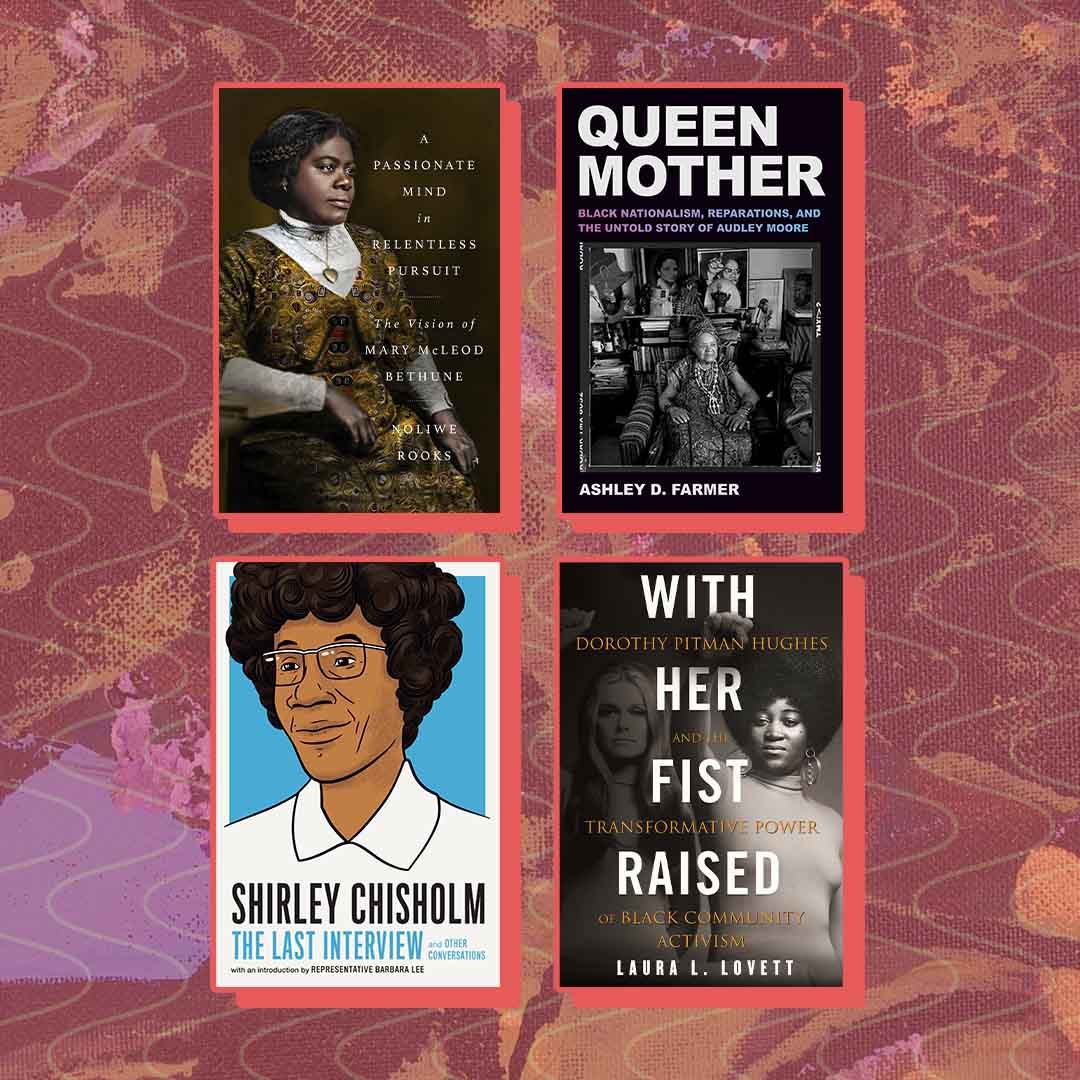
History has never had a shortage of remarkable Black women. The names we know, Rosa, Harriet, and Maya, are the ones who broke through despite every effort to keep them out. But for every name we recognize, there are dozens more who organized, built, marched, created, and led without ever making it into the textbooks. Women who shaped movements that others got credit for. Women who were written out on purpose. Immerse yourself in these books that deliberately write them back in.
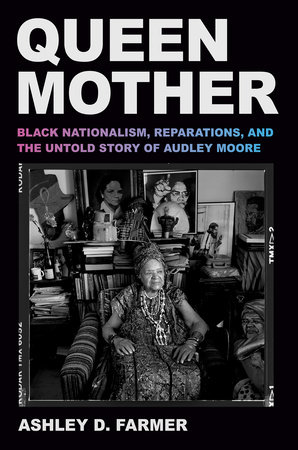


Few names carry more weight in Black radical politics than Audley Moore. Over nine decades, Queen Mother Moore became a foundational voice in Black Nationalism, the architect of the modern reparations movement, and a mentor to generations of activists. Queen Mother is more than biography — it’s a richly researched portrait of 20th-century Black radicalism, told of the woman whose determination kept the movement alive.
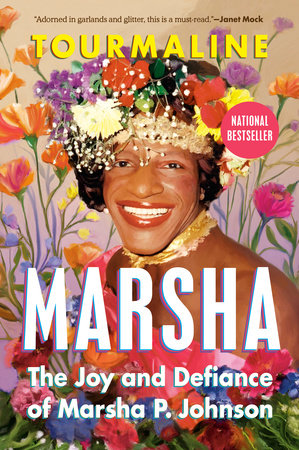
“Thank god the revolution has begun, honey.” Legend has it that after throwing the first brick at the 1969 Stonewall Uprising, Marsha P. Johnson picked up a shard of broken mirror to fix her makeup. That was Marsha — beauty and defiance in the same breath.
A Black transgender activist who performed with RuPaul, inspired Andy Warhol, and sparked a movement, Marsha has never had the definitive biography she deserves. Until now. Tourmaline’s richly researched Marsha brings this icon to life in full color — and reminds us that Marsha didn’t wait to be freed. She declared herself free and told the world to catch up.
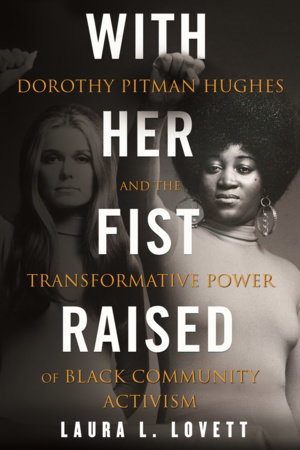
Dorothy Pitman Hughes left rural Georgia in the 1950s with a mission and spent the next several decades proving what one person could build. A powerhouse community organizer in New York City, she co-founded a childcare center that also offered job training, adult education, and housing assistance, then spent five years touring the country with Gloria Steinem, educating audiences on feminism, race, and equality. When gentrification threatened Harlem, she moved there to fight it — opening a business, buying a beauty pageant to celebrate Black women, and becoming a fierce advocate for Black entrepreneurs.
Historian Laura L. Lovett’s With Her Fist Raised is the biography Hughes deserves: a vivid account of a woman who understood, long before it was fashionable, that real change comes from within a community, not from above it.
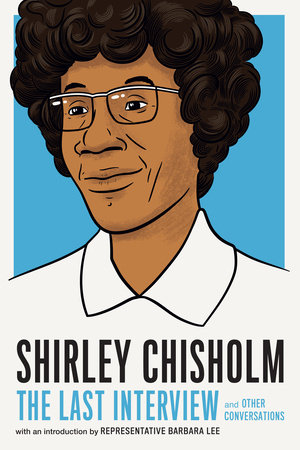
The first Black woman in Congress. The first Black candidate for a major party’s presidential nomination. Shirley Chisholm was both and she was just getting started. This collection of interviews, spanning her first major profile to her final conversation on record, reveals the woman behind the legend: disciplined, unshakeable, and relentlessly committed to the poorest and most overlooked Americans. In her own words, Chisholm shows exactly how she became the ultimate people’s politician.
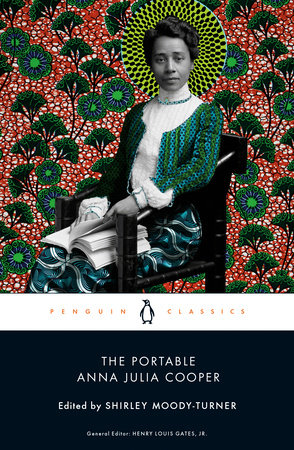
Anna Julia Cooper lived from 1858 to 1964 and spent every one of those years thinking ahead of her time. A educator, activist, and public intellectual, she wrote one of the most powerful statements of Black feminist thought to emerge from the 19th century, and her insistence on centering Black women in national life feels as urgent now as it did then. Her words have been etched into the U.S. passport. Black Lives Matter and Say Her Name are, in many ways, her legacy.
The Portable Anna Julia Cooper, a Penguin Classic and ALA Award winner, gathers her landmark essay collection A Voice from the South alongside previously unpublished poems, plays, journalism, and over thirty never-before-seen letters between Cooper and W.E.B. Du Bois. An essential introduction to a foremother whose work still shapes how we think, organize, and fight.
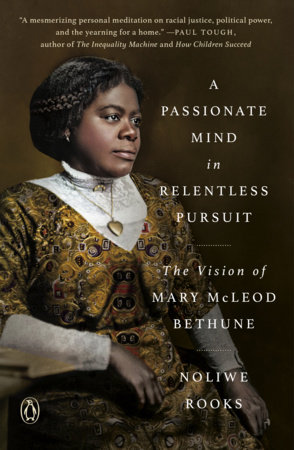
Mary McLeod Bethune, the fifteenth of seventeen children, the first born into freedom — survived poverty to become one of America’s most visionary educators. She founded a school in 1904 with five girls and a dream; it became the university that bears her name. She enlisted Eleanor Roosevelt and two presidents in her cause. Yet somehow, she remains a marble figure most people walk past. Noliwe Rooks’s intimate biography turns Bethune from stone to flesh and makes the case that her lessons are as urgent now as ever.
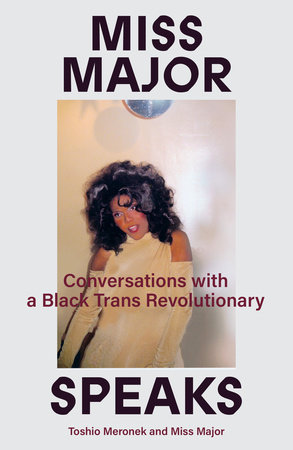
Miss Major Griffin-Gracy has survived everything: Stonewall, Bellevue, Attica, the AIDS crisis, and a world designed to erase people like her. Along the way, she shared survival tips with sex workers, helped build the drag ball scene, and founded one of America’s first needle exchange clinics out of the back of her van.
Miss Major Speaks is both a record of that extraordinary life, told with warmth, intimacy, and real wit and a hard-won guide for the Black, brown, queer, and trans youth navigating the road to liberation today. Miss Major has no patience for the shortcuts: she calls out the traps of representation politics, the limits of self-care culture, and the dead ends of nonprofit organizing. What she offers instead is rarer — a vision of freedom bigger than anything mainstream institutions are selling.
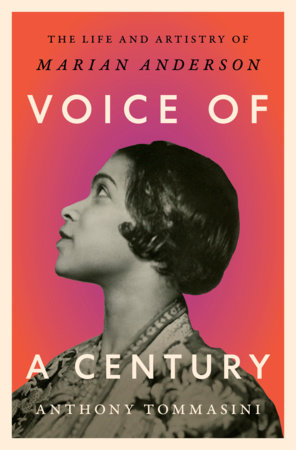
The night before her landmark Lincoln Memorial concert, where 75,000 people gathered after a whites-only hall had turned her away, Marian Anderson called her manager with doubts. She worried the moment would eclipse everything else she’d built. She was right to protect that legacy. Anderson was one of the great voices of the modern era, equally commanding in Russian folk songs, German lieder, and Negro spirituals. But recognition at home came harder than abroad: celebrated on stage, she couldn’t book hotel rooms or ride Pullman trains without indignity. Eleanor Roosevelt fought for her. Einstein housed her in Princeton.
In this rich portrait, former New York Times chief classical music critic Anthony Tommasini brings his decades of expertise to Anderson’s artistry and life, a tribute to a singer Toscanini called a once-in-a-century voice, and a leader whose dignity proved just as rare.
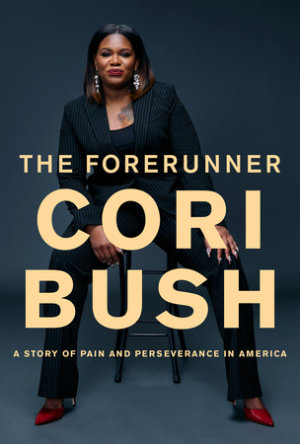
Cori Bush didn’t plan to run for office. But when Ferguson erupted in 2014, she was already on the frontlines, providing medical care, joining protests, and refusing to look away. A nurse, pastor, and community organizer, Bush eventually campaigned her way to Congress, unseating a twenty-year incumbent to become the first Black woman to represent Missouri.
The Forerunner is the memoir that campaign produced: raw, moving, and unlike most political books you’ve read. Bush writes openly about surviving domestic and sexual violence, working minimum-wage jobs, and raising children while unhoused. Her story isn’t a backdrop to her politics — it is her politics. As the Cut put it, her words are “piercing and gripping … beautifully devastating.”
Nine months before Rosa Parks, fifteen-year-old Claudette Colvin refused to give up her seat and got arrested. In 1912, a teenage Chinese immigrant led a massive suffrage march up Fifth Avenue. Decades earlier, over 1,500 girls walked out of Massachusetts factories demanding better wages and safer conditions. Teenage girls have helped ignite nearly every major American social movement. They’ve rarely gotten credit. Young and Restless sets the record straight, tracing girls’ organizing from the American Revolution through Black Lives Matter — showing how they laid the groundwork for movements that too often pushed them aside.
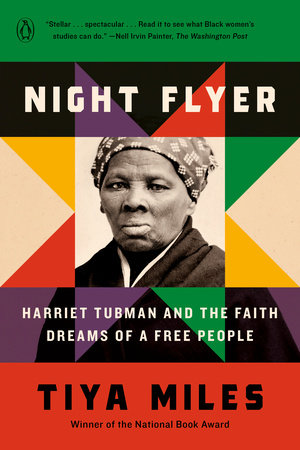
Harriet Tubman is one of the most famous Americans ever born and one of the least understood. She escaped enslavement, returned again and again to lead others north without losing a single life, and became the first American woman to lead a military raid, freeing some seven hundred people. We know the myth. We rarely reckon with the person. Tiya Miles’s Night Flyer changes that.
The National Book Award–winning author of All That She Carried goes beyond the historical shorthand to explore Tubman’s inner life, her relationship to the land, and her kinship with other enslaved women who recorded their spiritual journeys in memoir. What emerges is a figure whose mysticism becomes more powerful, not less, the closer you look, and a story with urgent lessons for our own turbulent moment.
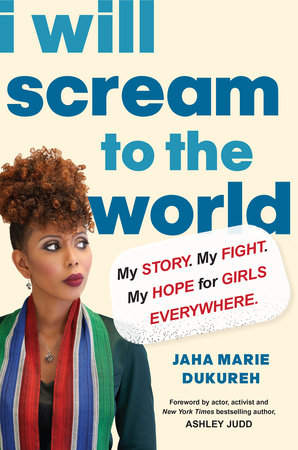
On her first wedding night, fifteen-year-old Jaha learned she had been subjected to FGM as an infant. That discovery changed everything. From that moment, Jaha Dukureh became one of the world’s most fearless activists — founding Safe Hands for Girls, getting FGM banned in Gambia, and earning a Nobel Peace Prize nomination. She is now running for President of The Gambia. I Will Scream to the World is her story: unflinching, resilient, and proof of what one survivor can change.


