




Lists
10 Books To Challenge Your Mind
Expand your mind with these unique fiction and nonfiction picks loved around the world.
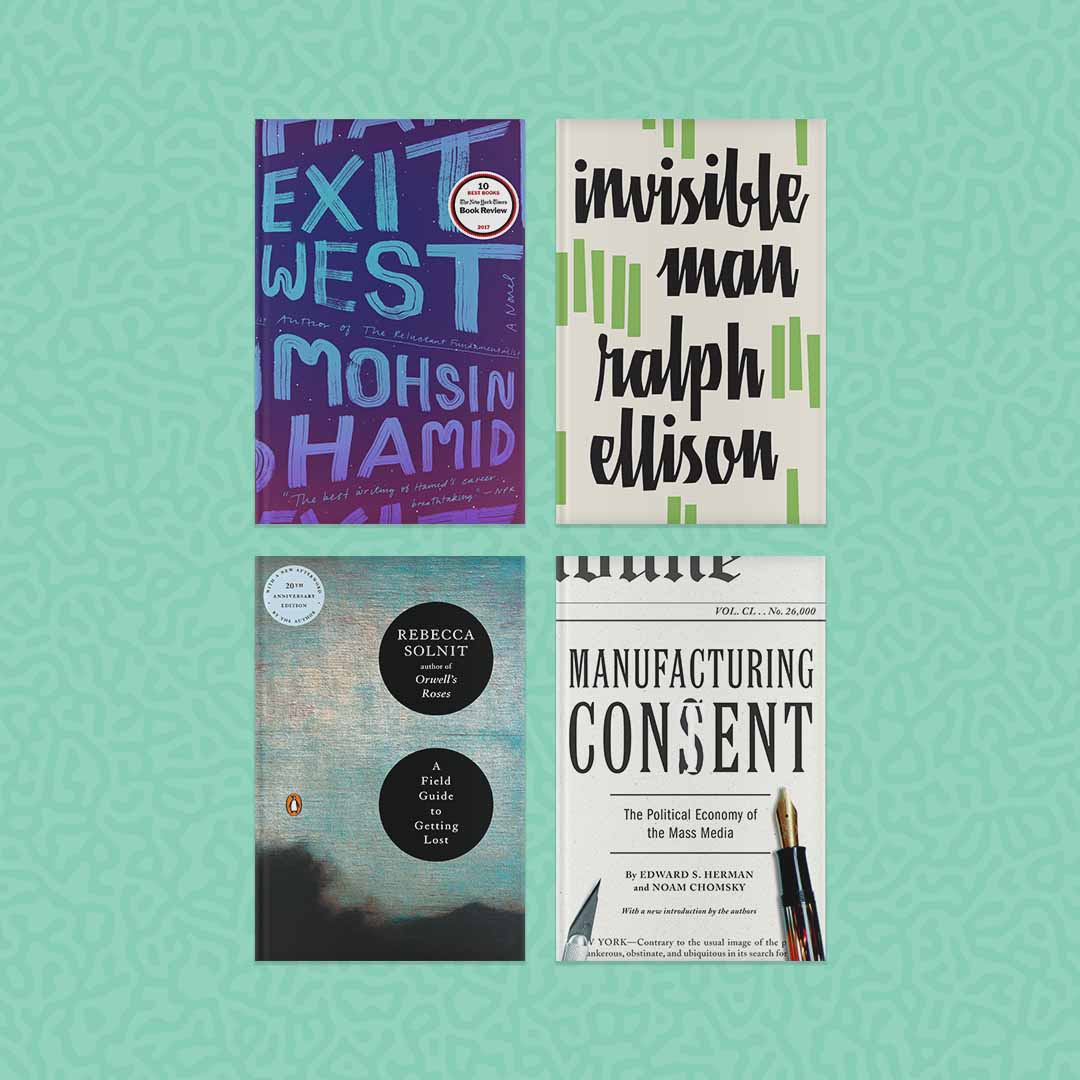
Are you searching for life-changing books that truly expand your worldview? These essential reads have left a lasting mark on readers around the globe. From A Room of One’s Own to Exit West, these titles challenge perspectives and open new ways of thinking. If you’re looking for books that don’t just entertain but transform, start here.
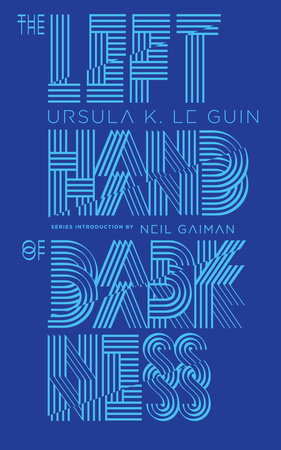


A groundbreaking work of science fiction, The Left Hand of Darkness tells the story of a lone human emissary’s mission to Winter, an unknown alien world whose inhabitants can choose — and change — their gender. His goal is to facilitate Winter’s inclusion in a growing intergalactic civilization. But to do so he must bridge the gulf between his own views and those of the completely dissimilar culture that he encounters. Exploring questions of psychology, society, and human emotion in an alien world, The Left Hand of Darkness stands as a landmark achievement in the annals of science fiction.
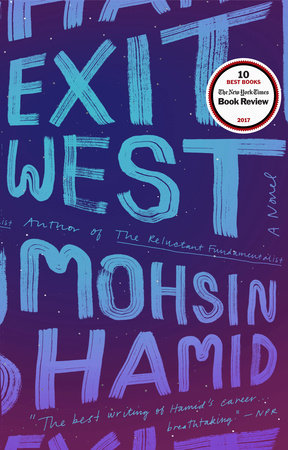
In a country teetering on the brink of civil war, two young people meet. They embark on a furtive love affair, and are soon cloistered in a premature intimacy by the unrest roiling their city. When it explodes, turning familiar streets into a patchwork of checkpoints and bomb blasts, they begin to hear whispers about doors — doors that can whisk people far away, if perilously and for a price. As the violence escalates, they decide that they no longer have a choice. Leaving their homeland and their old lives behind, they find a door and step through …
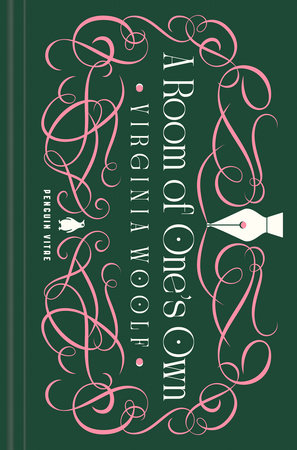
In this pioneering work, Virginia Woolf argues that a room of one’s own is essential to a woman’s creative freedom. A landmark of feminist thought, A Room of One’s Own imagines the fictional Judith Shakespeare, sister to William and equally gifted but lost to history. How much genius has gone unexpressed, Woolf wonders, because women are not afforded the same privileges as men? A hundred years later, her brilliant polemic reverberates into our own time.

A Little Life follows four college classmates — broke, adrift, and buoyed only by their friendship and ambition — as they move to New York in search of fame and fortune. While their relationships, which are tinged by addiction, success, and pride, deepen over the decades, the men are held together by their devotion to the brilliant, enigmatic Jude, a man scarred by an unspeakable childhood trauma. A hymn to brotherly bonds and a masterful depiction of love in the twenty-first century, Hanya Yanagihara’s stunning novel is about the families we are born into, and those that we make for ourselves.
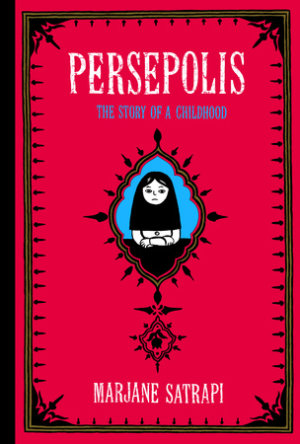
Wise, funny, and heartbreaking, Persepolis is Marjane Satrapi’s acclaimed graphic memoir of growing up in Iran during the Islamic Revolution. Intensely personal, profoundly political, and wholly original, Persepolis is at once a story of growing up and a reminder of the human cost of war and political repression. It shows how we carry on, with laughter and tears, in the face of absurdity. And, finally, it introduces us to an irresistible little girl with whom we cannot help but fall in love.
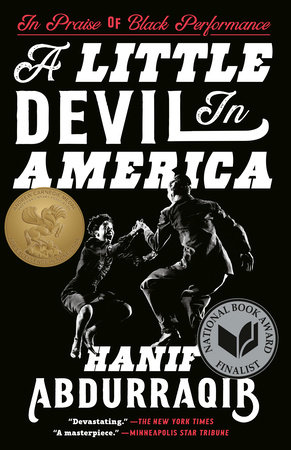
A sweeping, genre-bending “masterpiece” (Minneapolis Star Tribune) exploring Black art, music, and culture in all their glory and complexity — from Soul Train, Aretha Franklin, and James Brown to The Fresh Prince of Bel-Air, Whitney Houston, and Beyoncé. With care and generosity, he explains the poignancy of performances big and small, each one feeling intensely familiar and vital, both timeless and desperately urgent.
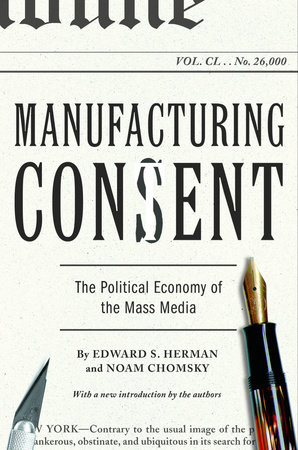
Renowned scholars Edward S. Herman and Noam Chomsky reveal how U.S. news media, far from being independent watchdogs, often function as tools of elite influence. With probing analysis, they present their Propaganda Model, a framework that explains how systemic bias shapes the stories we’re told, the voices we hear, and the truths that remain hidden. Whether you’re a student, activist, or citizen looking to see beyond the headlines, this book will transform how you understand the media — and the world around you.
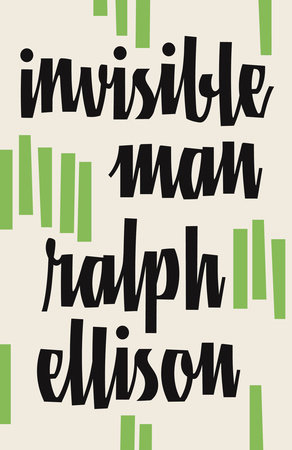
In this deeply compelling novel and epic milestone of American literature, a nameless narrator tells his story from the basement lair of the Invisible Man he imagines himself to be. He describes growing up in a Black community in the South, attending a Negro college from which he is expelled, moving to New York and becoming the chief spokesman of the Harlem branch of “the Brotherhood,” before retreating amid violence and confusion. Originally published in 1952, it established Ralph Ellison as one of the key writers of the century.
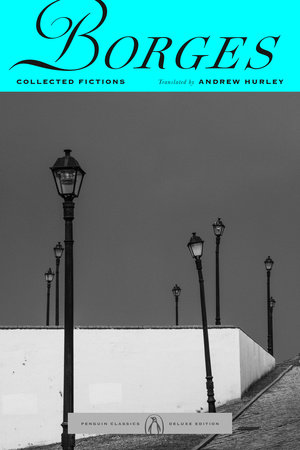
For the first time in English, all the fiction by the writer who has been called “the greatest Spanish-language writer of our century” collected in a single volume. Playfully experimenting with ostensibly subliterary genres, he took the detective story and turned it into metaphysics; he took fantasy writing and made it, with its questioning and reinventing of everyday reality, central to the craft of fiction; he took the literary essay and put it to use reviewing wholly imaginary books. This superb introduction to the master’s work is for all who have yet to discover this singular genius.
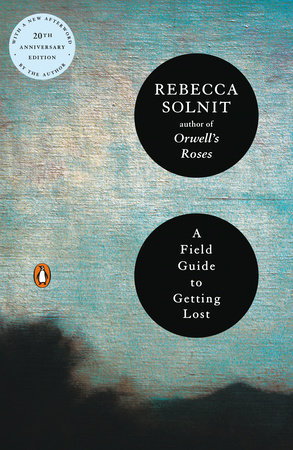
Written as a series of autobiographical essays, A Field Guide to Getting Lost draws on emblematic moments and relationships in Rebecca Solnit’s life to explore issues of uncertainty, trust, loss, memory, desire, and place. Solnit is interested in the stories we use to navigate our way through the world, and the places we traverse, from wilderness to cities, in finding ourselves, or losing ourselves. While deeply personal, her own stories link up to larger stories, from captivity narratives of early Americans to the use of the color blue in Renaissance painting, not to mention encounters with tortoises, monks, punk rockers, mountains, deserts, and the movie Vertigo. The result is a distinctive, stimulating voyage of discovery.
Editor’s Note: This article was published in January 2026.


