

Best Seller
Ebook
Published on May 23, 2012 | 240 Pages

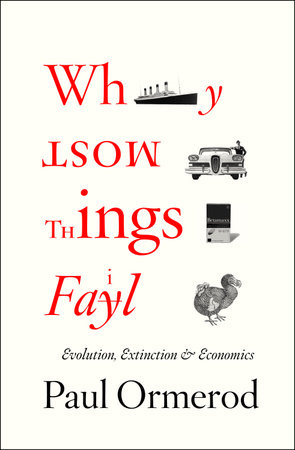
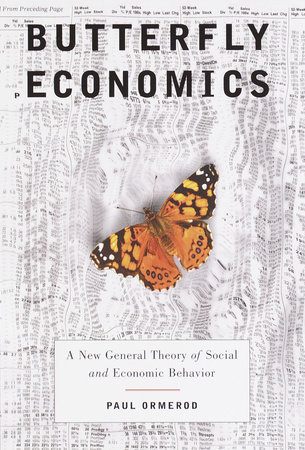
Why did VHS, an inferior video recording technology, succeed in the marketplace, driving the superior Betamax out of business? Why do big-budget, acclaimed movies sometimes flop at the box office, while low-budget, idiosyncratic films become huge hits? The answers to these questions, says Paul Omerod, remind us that economics is a science based on the workings of human society, as unpredictable an entity as there is. "Conventional economics is mistaken," claimes Omerod, "when it views the economy as a machine, whose behavior, no matter how complicated, is ultimately predictable and controllable."
In this cogently and elegantly argued analysis of why human beings persist in engaging in behavior that defies time-honored economic theory, Omerod also explains why governments and industries throughout the world must completely reconfigure their traditional methods of economic forecasting if they are to succeed and prosper in an increasingly global marketplace.
Author
Paul Ormerod
Paul Ormerod was the head of the Economic Assessment Unit at The Economist and the director of economics at the Henley Centre for Forecasting in England. He has taught economics at the universities of London and Manchester, and was a founder of the consulting firm Volterra. He lives in London.
Learn More about Paul OrmerodYou May Also Like
Dark Age Ahead
Paperback
$15.95
The Protestant Temperament
Ebook
$17.99
The Sustainable Economy
Paperback
$16.95
Growing American Roots
Paperback
$24.00
Bush Versus the Environment
Paperback
$22.00
FROM EROS TO GAIA
Ebook
$17.99
Why Most Things Fail
Ebook
$12.99
Stress Test
Paperback
$20.00
Stalking the Riemann Hypothesis
Paperback
$21.00
×